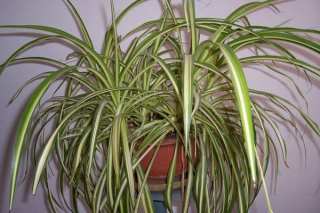
Yes, from a physiological standpoint, a spider plant (Chlorophytum comosum) can indeed survive and grow with its root system submerged entirely in water instead of being planted in soil. This method of growth, known as hydroponics, bypasses the need for soil by delivering water, oxygen, and dissolved nutrients directly to the plant's roots. However, this environment presents a unique set of conditions that differ significantly from its natural terrestrial habitat, which directly impacts the plant's health and development.
For a spider plant, the most critical phase is the initial transition. If moving a mature soil-grown plant into water, the existing soil roots must be thoroughly cleaned. These roots are structurally different from water roots; they are adapted to seek moisture and nutrients within a particulate medium. When submerged, many of these original soil roots may rot and die off as they are not adapted to constant immersion. This is a stressful period for the plant as it must expend energy to generate a completely new set of aquatic roots. These new water roots are typically white, less fibrous, and more specialized for absorbing oxygen and nutrients directly from the water solution.
Once established with its new aquatic root system, the spider plant can sustain itself. It will continue to perform photosynthesis using light, absorbing water and dissolved minerals through its roots, and exchanging gases. You will observe the production of new leaves and even "pups" or plantlets. However, the growth rate is often slower compared to a plant in a quality potting mix. In soil, roots can easily anchor and access a rich, complex buffet of nutrients. In water, the plant is entirely dependent on the nutrients you provide, which must be carefully balanced.
The long-term viability of a spider plant in water hinges on managing several key factors that are automatically regulated in a soil environment. Firstly, oxygenation is paramount. Root cells require oxygen for respiration. In water, oxygen diffusion is slow. Stagnant water will quickly become deoxygenated, leading to root rot and the death of the plant. Therefore, changing the water frequently (every 1-2 weeks) is non-negotiable to replenish oxygen and remove waste compounds expelled by the roots. Secondly, nutrition is a primary concern. Plain water is devoid of the essential macronutrients (Nitrogen, Phosphorus, Potassium) and micronutrients (Iron, Manganese, etc.) that the plant needs. Without supplementing with a diluted, balanced hydroponic fertilizer every time you change the water, the plant will become nutrient-deficient, exhibiting symptoms like pale leaves, stunted growth, and poor overall health.
While possible, growing a spider plant solely in water has inherent limitations from the plant's perspective. The support structure provided by soil is absent, making large, mature plants top-heavy and unstable in a vase or jar. Furthermore, the plant may never achieve the same robust size or vigorous growth rate as a soil-potted counterpart with ideal conditions. It exists in a more managed, and arguably more fragile, state. The plant is resilient and can adapt, but it is living in a minimalist environment that requires consistent human intervention to mimic the complex stability of a soil ecosystem.