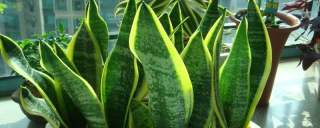
From a plant's perspective, flowering is the ultimate expression of maturity and a response to specific environmental cues. For a Snake Plant (Sansevieria trifasciata), producing a flower spike is a relatively rare event in cultivation, especially when grown indoors. This is because the plant typically prioritizes vegetative growth—spreading via its rhizomatous root system to produce new leaves—under stable, favorable conditions. Flowering is not a sign of an annual cycle but rather a strategic survival mechanism. It often occurs when the plant has become moderately root-bound. The slight stress of being pot-bound signals to the plant that its space for expansion is limited, triggering a shift in energy from producing leaves to reproducing, ensuring its genetic legacy continues through seeds.
The flowering process is a significant energetic investment. The plant must redirect resources—water, nutrients, and stored energy—away from leaf production to develop a long, central flower spike (raceme) that can reach several feet in height. From this spike, dozens of delicate, creamy white or greenish flower buds will emerge. Each individual flower is tubular and narrow, designed for specific pollinators. The plant produces a sweet, potent, and somewhat sticky nectar that can sometimes be seen dripping from the blossoms. This nectar, while alluring to night-flying pollinators, is the reason it's often advised to place a protective layer under the pot, as it can drip onto surfaces.
The most notable characteristic of a flowering Snake Plant is its intense fragrance, which is most powerful during the evening and night. This is a deliberate evolutionary tactic. The scent is not produced for human enjoyment but to attract its target pollinators: moths. The strong, sweet, almost vanilla-like aroma acts as a powerful long-distance signal in the darkness, guiding these nocturnal insects to the source of nectar. Upon arrival, the moth's proboscis is perfectly suited to access the nectar deep within the tubular flowers, inadvertently picking up and transferring pollen in the process. This highly specialized relationship maximizes the plant's chances of successful cross-pollination and seed production.
Following the flowering event, which may last for a few weeks, the blooms will wilt and the flower stalk will eventually die back. It is recommended to cut this spent stalk off at the base to allow the plant to redirect its energy back to its roots and leaves. From the plant's perspective, the mission is complete—it has attempted to reproduce. It is common for the specific rosette of leaves that produced the flower stalk to not grow much further afterward; its primary biological role has been fulfilled. However, the overall plant will continue to thrive, often producing new offshoots (pups) from its rhizomes to ensure its vegetative spread and long-term survival, even if the seeds did not form or were not collected.