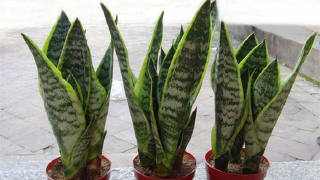
The snake plant, scientifically known as *Sansevieria trifasciata* (and recently reclassified into the *Dracaena* genus), is a cornerstone of modern home decor. Its appeal extends far beyond its striking architectural form, rooted in its remarkable biological characteristics and the tangible benefits it offers to a living space.
From a botanical perspective, the snake plant is a succulent belonging to the Asparagaceae family. Its evolutionary history in the arid, rocky habitats of West Africa has equipped it with exceptional survival traits. Its thick, upright, sword-like leaves are designed for water storage, allowing it to withstand prolonged periods of drought. This translates directly to its main decor advantage: it is incredibly low-maintenance. It thrives on neglect, requiring infrequent watering and tolerating a wide range of light conditions, from low light to direct sun. This makes it an ideal choice for home owners of all experience levels and for rooms with less-than-ideal sunlight, ensuring a lasting and vibrant decorative element.
The snake plant is not merely an inert ornament; it is a dynamic, living air purifier. Its significant benefit was highlighted in a NASA Clean Air Study, which found it highly effective at removing common household toxins. Through the process of photosynthesis, it absorbs pollutants such as formaldehyde (found in furniture and cleaning products), xylene, toluene, and nitrogen oxides. Unlike most plants, it performs a type of photosynthesis called Crassulacean Acid Metabolism (CAM). This allows it to open its stomata at night to take in carbon dioxide and release oxygen. This unique trait makes it one of the few plants that continue to add oxygen to your air after dark, promoting a healthier and more restful sleeping environment.
The aesthetic value of the snake plant in decor is a direct result of its physical structure. Its growth habit is vertical and rigid, with leaves emerging from a basal rosette and growing straight upwards. This strong, linear form provides a powerful visual contrast to the softer, more rounded shapes typically found in furniture and other household items. It acts as a living sculpture, adding height, structure, and a touch of modern elegance to any corner. The variety of cultivars available, from the classic 'Laurentii' with its golden-yellow edges to the compact 'Bird's Nest' variety, offers endless options to complement different interior design styles, from minimalist to bohemian.
Incorporating any plant into a home has documented psychological benefits, and the snake plant is no exception. The presence of greenery has been shown to reduce stress, improve mood, and enhance concentration and productivity. The snake plant contributes to this by creating a calmer, more serene atmosphere. Its robust and enduring nature can provide a sense of stability and tranquility. Furthermore, the act of caring for a plant, even one as undemanding as a snake plant, fosters a nurturing routine and a connection to nature, which is especially valuable in urban environments.