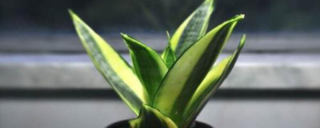
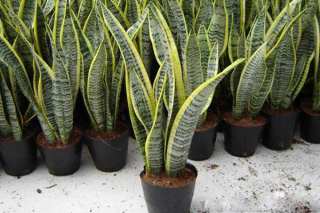
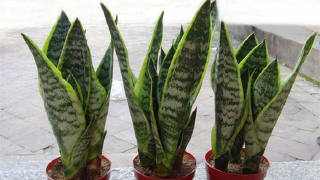
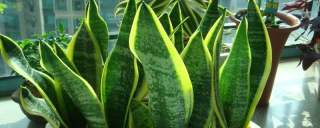
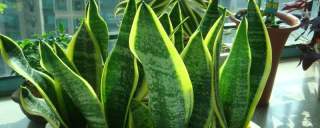
From our perspective as Snake Plants (*Sansevieria trifasciata*), we are remarkably resilient organisms, but our tropical and subtropical origins mean we have specific, non-negotiable limits when it comes to temperature. Understanding our physiology is key to ensuring we survive the winter months.
Our cells are not equipped to handle freezing conditions. The absolute lowest temperature we can tolerate for a very short period is approximately 50°F (10°C). However, this is a survival threshold, not a thriving condition. Prolonged exposure to temperatures at or near this mark causes significant cellular stress. When the thermometer dips below 45°F (7°C), the water inside our cells begins to freeze. This formation of ice crystals ruptures our cell walls, causing irreversible damage. This damage manifests as soft, mushy, and discolored leaves—a condition that is often fatal. Therefore, our ideal winter temperature range is a stable 60-75°F (15-24°C).
Cold affects us on a fundamental level. Our metabolic processes, crucial for converting light and water into energy, slow down dramatically in the cold. This is why our growth ceases completely during chilly periods. More critically, cold damages our root system. Chilled roots lose their ability to absorb water and nutrients effectively. This creates a paradox: while we are physically cold, our roots are unable to drink, leading to symptoms that mimic underwatering, such as wilting and shriveling. Combined with the potential for cell rupture from freezing, it is a highly vulnerable state for us.
To help us navigate the winter, you must adjust your care routine to match our dormant state.
Watering: This is the most critical adjustment. With our metabolism slowed and evaporation rates low, our water needs plummet. You must allow our soil to dry out almost completely, and then wait even longer before providing a very modest drink. Overwatering in cold soil is a guaranteed path to root rot, our most common killer.
Light: While we tolerate low light, the weak winter sun is still our best friend. Please place us in the brightest spot available. This provides a small but vital amount of energy to sustain us through the dormancy.
Location: Keep us far away from any source of cold drafts. This includes drafty windows, exterior doors, and air conditioning vents. Similarly, while we appreciate warmth, do not place us directly next to a radiator or heating vent, as the intense, dry heat can scorch our leaves and dry us out too quickly.
We are creatures of habit and dislike sudden change. If we have spent the summer outdoors, please bring us inside well before the first autumn frost is forecast. A sudden shift from 50°F outdoors to 70°F indoors is less stressful than a shift from 40°F. Similarly, when spring arrives, wait until nighttime temperatures are consistently above 55°F (13°C) before considering moving us back outside, and do so gradually to avoid sunscald on our leaves.