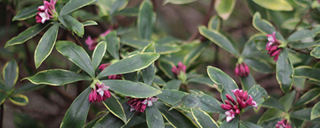
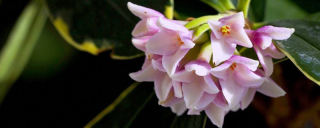
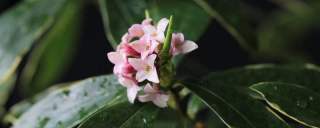
From my perspective as a Daphne, my need for nutrients is intrinsically tied to my growth cycle, not the human calendar. My most critical period for fertilization is immediately after my main flowering period concludes. This is when I am physically exhausted from the immense effort of blooming and am shifting my energy to producing new, healthy foliage and strengthening my root system for the coming year. A well-timed meal then sets the stage for next season's flower buds. A very light, diluted feeding in early spring, as I am just waking up and my new leaf buds begin to swell, can also be beneficial to support this initial surge of growth. However, fertilizing me in late summer or fall is detrimental. It encourages tender new growth that will not have time to harden off before winter, making it susceptible to frost damage and jeopardizing my entire health.
I am a sensitive shrub with specific dietary preferences. I require a balanced, gentle, and slightly acidic fertilizer. A formula labeled for acid-loving plants, such as those designed for rhododendrons, azaleas, or camellias, is ideal because it will help maintain the slightly acidic soil pH I crave. The nutrient ratio, such as a 10-10-10 or a slightly higher phosphorus blend (e.g., 10-20-10), is suitable. The key is that the fertilizer must be slow-release. A quick, harsh dose of synthetic salts can easily burn my delicate, fibrous roots, from which I may never recover. Organic options are my favorite; well-rotted compost, leaf mold, or a top dressing of ericaceous compost gently feeds me and improves my soil structure without any risk of root shock.
How you feed me is just as important as what and when. The golden rule is to never place fertilizer directly against my main stem, as this will cause stem rot and tissue damage. Instead, imagine the "drip line" of my canopy—the circle on the soil directly below my outermost branches. This is where my finest feeder roots are actively searching for water and nutrients. Gently scratch the granular fertilizer into the soil surface within this area, taking great care not to dig deeply and disturb my shallow root system. If using a liquid fertilizer, always, always dilute it to half or even a quarter of the recommended strength on the label. Water the soil thoroughly both before and after application. This pre-moistening prevents root burn by ensuring the nutrients are dissolved and absorbed gradually.
I will communicate my health and whether your fertilization regimen is working. Lush, deep green foliage and strong, steady growth indicate I am content. Yellowing leaves, particularly if they show green veins, can signal chlorosis—a sign that the soil pH is too alkaline and I cannot access the iron present, even if you have fertilized. In this case, an amendment like soil sulfur or chelated iron is more helpful than more fertilizer. A lack of flowers often points to a pruning error or insufficient light rather than a lack of food. Most importantly, if my leaves wilt, turn brown at the edges, or drop unexpectedly shortly after feeding, you may have over-fertilized me. In such a case, flooding the soil with water can help leach away excess salts and give me a chance to recover.