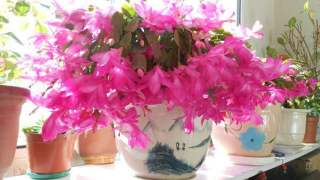
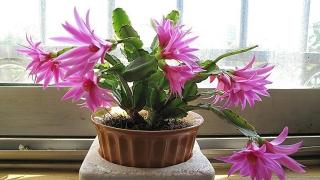
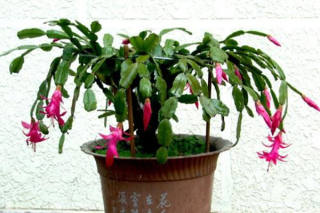
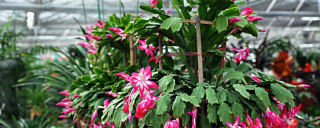
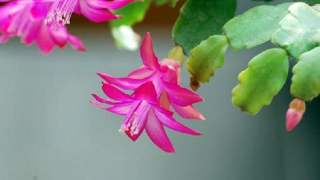
From my perspective, I am not a true cactus adapted to the harsh, arid desert. I am an epiphyte, hailing from the humid, shaded canopies of the tropical forests in southeastern Brazil. This origin dictates my needs. I thrive in bright, indirect light. Direct, harsh sunlight will scorch my flattened, segmented leaves (which are actually modified stems called cladodes), causing them to turn a painful, stressed red or purple. I prefer the dappled light found under the canopy of a tree. In terms of temperature, I am quite sensitive. To initiate the beautiful bloom cycle you so desire, I require a period of cooler temperatures (around 50-55°F or 10-13°C) and longer nights in the autumn. This environmental shift signals to me that it is time to set buds, mimicking the natural conditions of my native habitat.
My relationship with water is a delicate balance. My succulent leaves store water, making me more drought-tolerant than most houseplants, but I am not immune to neglect or over-attention. The goal is to mimic the moist but exceptionally well-drained conditions of the organic matter found in tree crooks. Water me thoroughly when the top inch of my soil feels dry to the touch, and always ensure any excess water can drain away freely. I do not appreciate "wet feet." Sitting in waterlogged soil will lead to a fatal condition for my root system: rot. Conversely, if you forget about me for too long and my soil becomes bone dry, I will respond by wilting and dropping my segments to conserve energy.
My flowering is not a random event; it is a direct physiological response to specific environmental cues. As the days grow shorter and the nights longer and cooler in the fall, I interpret this as the correct time to produce buds. This period requires at least 12-14 hours of uninterrupted darkness each night for about 6-8 weeks. Even ambient light from a streetlamp or a room lamp can disrupt this crucial process and prevent me from blooming. Once the buds are set, avoid moving me, as I am susceptible to bud drop due to sudden changes in my orientation to light or temperature. The stunning flowers I produce are designed to attract the hummingbirds that pollinate me in my native environment.
My yearly cycle consists of distinct growth and rest phases. After my spectacular winter bloom, I enter a period of rest for about a month. During this time, you should reduce watering to allow me to recover. In the spring and summer, I enter my active growth phase, putting energy into producing new segments. This is the ideal time for a gentle feeding with a balanced, diluted fertilizer and for any repotting, which I only require every few years as I prefer to be slightly pot-bound. By late summer, growth slows as I begin preparing my internal resources for the upcoming bloom cycle.