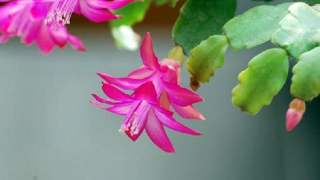
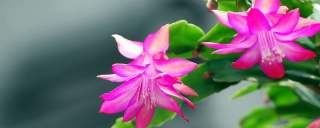
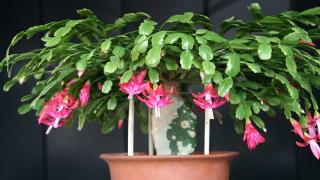
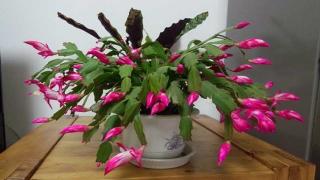
To determine the best location for your Christmas Cactus (*Schlumbergera*), we must first consider its origins. This epiphytic plant is native to the tropical rainforests of Brazil, where it grows not in soil on the forest floor, but perched on tree branches in the shaded canopy. This means it is naturally adapted to bright, but filtered or dappled light. It is protected from the harsh, direct rays of the sun by the leaves of the trees above it. Furthermore, it thrives in the high humidity and moderate temperatures found in this environment. Therefore, the goal is to replicate these conditions as closely as possible within your home to ensure the plant not only survives but is also encouraged to produce its spectacular blooms.
Light is the most crucial element in placing your Christmas Cactus. The plant requires abundant bright, indirect light for the majority of the day. An east-facing window is often the perfect location, as it provides several hours of the gentle morning sun without the intense heat of the afternoon. A north-facing window can also be suitable. A west or south-facing window can work, but you must take precautions. We must be placed several feet away from the glass or filtered through a sheer curtain to prevent sunscald, which manifests as reddish-purple tinges or bleached, scorched spots on our segments. This careful light management is essential for our photosynthesis and overall health.
Our well-being is also heavily influenced by temperature and humidity. We prefer daytime temperatures between 70°F and 80°F (21°C - 27°C) and slightly cooler temperatures at night. Crucially, to initiate the bud formation that leads to our famous flowers, we require a period of cool temperatures and longer nights in the autumn. This means our placement should be in a room where nighttime temperatures can reliably drop to between 55°F and 65°F (13°C - 18°C). Avoid placing us near heat sources like radiators, fireplaces, or heating vents, as the dry, hot air will cause our segments to shrivel and drop buds. Similarly, drafty doors or cold windows can cause shock. We appreciate a location with moderate to high humidity; grouping us with other plants or using a pebble tray filled with water can help create a more favorable microclimate.
For our long-term health, certain locations should be strictly avoided. As mentioned, direct afternoon sun from a south or west window will damage our foliage. Rooms with extreme temperature fluctuations, such as sunrooms that become very hot during the day and cold at night, are stressful for us. We should also not be placed in low-light areas like a dark corner or a north-facing room with obstructions, as this will result in weak, leggy growth and a complete absence of flowering. Finally, keep us away from fruit bowls. Ripening fruit, especially apples and bananas, release ethylene gas, which can cause our precious flower buds to drop before they ever have a chance to open.