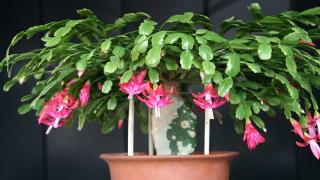
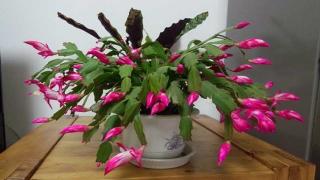
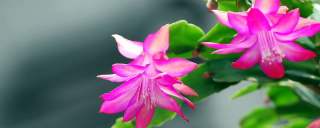
From my perspective, the year truly begins not in spring, but in the deep, quiet heart of winter. After a long period of cool, dark rest, the shortening days and lengthening nights of late autumn are my signal. This is my photoperiodic trigger. When I sense consistent, uninterrupted darkness for over 12 hours, a profound change begins within my stem segments. The energy I have stored all year is mobilized, and tiny, knobby buds begin to emerge from the tips of my limbs. This is my grand performance. My flowers unfurl in a spectacular display of pinks, reds, whites, or magentas, designed to attract the few pollinators brave enough to be out in the cool weather. This bloom is not just for your enjoyment; it is my reproductive purpose, the culmination of my annual cycle.
Once my brilliant flowers finally fade and drop, I enter a crucial period of recovery. The increasing light of spring tells me the show is over, and it is time to rebuild my strength. Please resist the urge to give me much water or fertilizer immediately. I am resting. As the days grow consistently warmer, I will slowly begin to produce new, bright green growth from my existing segments. This new growth is how I expand and become fuller. This is the time for you to provide me with a gentle, balanced fertilizer and increase watering slightly as the soil dries out, supporting this new, tender development.
Summer is my growth season. My primary goal is photosynthesis—soaking up as much energy as possible from the long, bright days. However, I am a denizen of the tree canopies in my native home, so I do not appreciate harsh, direct sunlight, which can scorch my fleshy segments. A spot with bright, indirect light is perfect. This is when I am thirstiest, as the heat and my active growth mean I use water more quickly. Consistent watering when my soil is dry to the touch is ideal. This is also the best time for you to give me a new home if I have outgrown my pot, allowing my roots to settle in before my next critical rest period.
As the vibrant light of summer softens and the nights become noticeably longer and cooler, I begin to slow down. This period is absolutely vital for my next bloom. To initiate my flower buds, I require two key environmental cues: longer periods of uninterrupted darkness and cooler temperatures. Ideally, I need at least 12-14 hours of complete darkness each night and temperatures between 50-60°F (10-15°C) for several weeks. This rest period allows me to set buds. If I am kept in a warm room with artificial light interrupting my nights, I become confused. I may grow, but I will not bloom. This dormant phase is when you should significantly reduce watering and withhold fertilizer entirely, allowing me to rest fully.