From my perspective as a plant, the answer is a cautious yes, but you must understand what you are undertaking. I, a Christmas cactus (Schlumbergera buckleyi), do produce seeds within my fruits after successful pollination. However, growing a new plant like me from a seed is fundamentally different from propagating from a stem cutting. It is a marathon, not a sprint. A cutting taps into an existing, mature genetic blueprint and skips the fragile juvenile stages. A seed must undertake the entire biological process of germination, seedling establishment, and maturation, which for a slow-growing epiphyte like me, takes a significant amount of time and specific conditions.
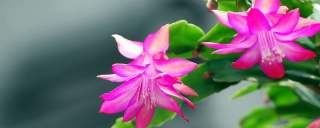
My journey from seed begins with flowers. In my native habitat, I am pollinated by hummingbirds. For you to obtain seeds, this pollination must be replicated by hand. Using a small, soft brush, you must transfer pollen from the anthers of one flower to the stigma of another. If successful, my flower will wilt and a small, fleshy, fruit-like structure will form. It will take many months—often over a year—for this fruit to ripen and dry, eventually splitting to reveal the tiny, dark seeds within. These seeds are not like bean seeds; they are minuscule and dust-like, containing a tiny embryo and just enough energy to start life.
My seeds require very specific conditions to break dormancy. They need consistent moisture, warmth, and bright, indirect light—conditions that mimic the humid, sheltered understory of the Brazilian rainforests where my ancestors originated. You must sow them on the surface of a sterile, well-draining seed-starting mix, as burying them will block the light they need. The medium must be kept consistently moist but never waterlogged, a delicate balance often maintained by covering the container with a clear plastic lid or bag to create a humid microenvironment. This "mini-greenhouse" is crucial to prevent the microscopic seedlings from desiccating the moment they emerge.
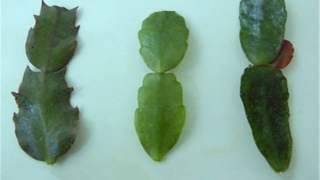
Germination itself can be slow and uneven, taking several weeks. The first structures to appear are not true leaves but cotyledons. My true leaves, which are actually modified stem segments (phylloclades), will develop painfully slowly. This seedling stage is the most vulnerable period of my entire life cycle. I am extremely susceptible to damping-off fungus, drying out, or being overwatered. For the first year, I will remain a tiny, fragile plant. It will likely take two to three years of careful nurturing before I am large enough to consider flowering, and even then, maturity is not guaranteed.
While growing me from seed is a fascinating botanical experiment that demonstrates the full miracle of plant life, it is not the most practical method for a beginner seeking a holiday-blooming plant. The process is measured in years and requires meticulous care for a very uncertain reward. From my point of view, propagating from a healthy stem cutting is a far more efficient and reliable way to create a new Christmas cactus. A cutting will mature and flower on a timeline measured in months, not years, and it will be a genetic clone, guaranteeing the same beautiful traits as its parent plant.