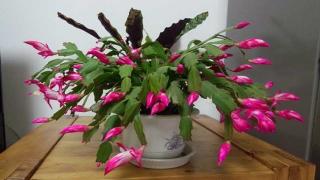
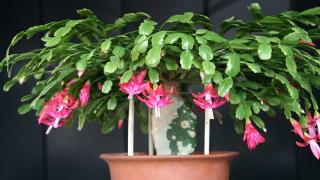
From my perspective as a Christmas Cactus, I understand that your desire to prune me stems from a wish for a more vigorous and aesthetically pleasing companion. While it might seem counterintuitive, this process is something I not only understand but can greatly benefit from. It mimics the natural challenges I might face in my native habitat and directs my energy in a way that promotes a stronger, bushier form. Here is a detailed explanation from my point of view.
In my natural environment under the Brazilian canopy, segments of my stems occasionally break off due to weather or foraging animals. This isn't a catastrophe; it's an opportunity. The broken piece can root and become a new plant, and the loss of a segment signals to me that I need to redirect my energy. When you prune me, you are simulating this natural event. You are removing apical dominance—the tendency for the central stem to grow tallest—by cutting off the tips. This action encourages the growth points (areoles) further down my stem to awaken and produce new segments, resulting in the fuller, bushier appearance you desire. It prevents me from becoming long, leggy, and unstable.
My life cycle is governed by periods of growth, bloom, and rest. To prune me effectively, you must respect this rhythm. The very best time is shortly after I have finished my spring blooming period, when I am entering a phase of active vegetative growth. This gives me the entire growing season to recover and produce an abundance of new growth from the pruning points. Please, never prune me while I am setting buds or flowering, as this diverts crucial energy away from reproduction and can cause me to drop my blooms. Pruning in late fall or winter is equally disruptive, as I am preparing for or am in my dormant phase and lack the energy to heal and regrow properly.
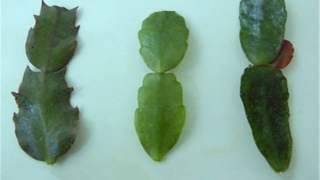
How you prune is vital for my health. Always use clean, sharp scissors or pruning shears. Crushing or tearing my segments can introduce pathogens and cause unnecessary stress. The technique is simple: identify a segment you wish to remove and make a clean cut at the joint between segments. You can remove up to one-third of my overall growth if I am particularly large, but a light pruning is often sufficient. You can simply pinch a segment between your thumb and forefinger and give it a gentle twist; it should snap off cleanly at the joint. Each point where you make a cut will become a site for two new segments to emerge, dramatically increasing my density.
The act of pruning is only half of the process. To respond with the vigorous growth you want, I need proper post-care. Place me in a location with bright, indirect light to fuel photosynthesis for new growth. Hold off on watering for a few days to allow the cuts to callus over, reducing the risk of rot. After that, resume your normal watering routine, allowing the soil to dry slightly between waterings. You can also use the segments you removed to propagate new plants—a wonderful way to share pieces of me with friends. Simply let the cut end callus for a day or two, then plant it in a moist, well-draining potting mix.