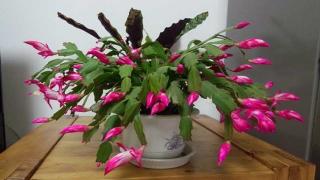
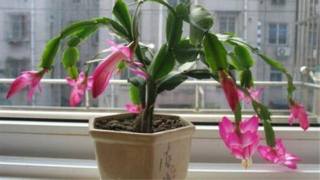
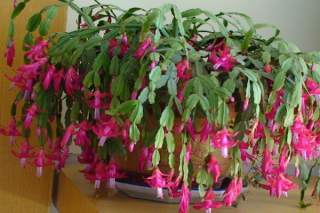
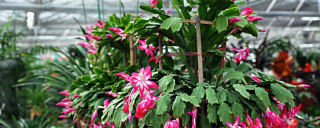
From our perspective, as members of the Schlumbergera genus, our flowering is not a choice but a precise response to environmental cues deeply ingrained in our genetic code. We originate from the mountainous, coastal rainforests of southeastern Brazil, where we grow as epiphytes, nestled in the shaded, humid branches of trees. The key to our spectacular bloom display is the accurate replication of the seasonal shifts we experience in our native habitat. Central to this process is a period of dormancy, a restful state triggered primarily by two factors: lengthening nights and, crucially, a significant drop in temperature.
For us, cooler temperatures are not merely a preference; they are an essential physiological signal. When we sense a consistent drop in ambient temperature to the range of 50-55°F (10-13°C), it initiates a complex internal process. This cool period tells our cellular machinery that the dry, cooler season has arrived in our native home. In response, we slow our vegetative growth and begin to redirect our energy reserves away from producing new stem segments (called cladodes) and towards the development of flower buds. This metabolic shift is paramount. Without this clear, cool signal, our system remains in a vegetative state, and we will simply continue to grow green foliage without any thought of reproduction.
While temperature is a primary trigger, it works in perfect synergy with another critical factor: photoperiod, or the length of uninterrupted darkness. We are short-day plants, meaning we require long nights (12-14 hours of continuous darkness) to initiate blooming. However, these long nights alone are often insufficient if the temperature remains too warm. A warm environment can effectively cancel out the dark signal. The combination of long nights and cool temperatures creates an undeniable command within our system. It is the most reliable way to convince us that the conditions are perfect for flowering, ensuring that our blooms will open when potential pollinators are active in our native environment.
Maintaining an incorrect temperature range has direct and immediate consequences for our flowering cycle. If we are kept in a consistently warm environment, typically above 70°F (21°C), even with long nights, we will likely fail to set buds. Our internal chemistry interprets warmth as the signal for the rainy, growing season, directing all energy to growth. Conversely, while we require cool temperatures, exposure to freezing conditions below 35°F (2°C) is highly damaging. Such extreme cold causes cellular damage, leading to soft, mushy segments, bud drop, and can be fatal. The ideal is a stable, cool environment, avoiding both excessive heat and damaging frost.
To encourage our flowering, you must provide us with an approximate 6-8 week period of cool rest, typically starting in early to mid-fall. This involves moving us to a location where night temperatures can reliably stay between 50-55°F (10-13°C). A slightly cooler room in your house, a porch, or even a garage with a window can serve this purpose. During this time, you must also reduce watering, allowing the top inch of our soil to dry out completely between waterings. This slight water stress further reinforces our dormant state. Combined with the long, natural nights of autumn, this cool period will reliably prompt us to set a profusion of buds, ready to open and display our beautiful flowers just in time for the holiday season.