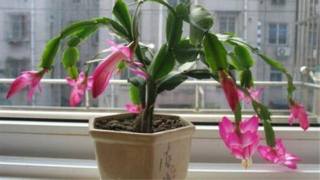
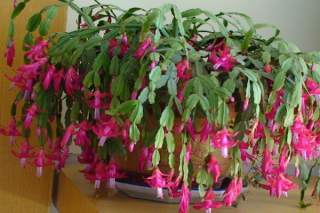
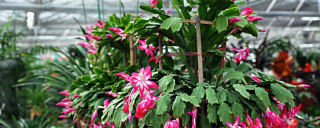
To understand the potential toxicity of the Christmas cactus, it is first essential to identify it correctly. The plant in question is scientifically known as Schlumbergera × buckleyi, a hybrid plant belonging to the Cactaceae family, but it is an epiphytic cactus native to Brazilian rainforests, not a desert cactus. It is often confused with its close relatives, the Thanksgiving cactus (Schlumbergera truncata) and the Easter cactus (Rhipsalidopsis gaertneri). All three share similar growth habits, with segmented, flattened stems (called cladodes) that act as leaves, and they produce vibrant, tubular flowers in their respective seasons. Their non-desert origin is a key factor in their defense mechanisms, or lack thereof, compared to their spiny, arid-land cousins.
According to the American Society for the Prevention of Cruelty to Animals (ASPCA), the Christmas cactus (Schlumbergera species) is listed as non-toxic to both cats and dogs. This classification means the plant does not contain known chemical compounds like insoluble calcium oxalates, alkaloids, or saponins that are severely poisonous to pets and are found in truly toxic plants such as lilies, sago palms, or philodendrons. Therefore, ingestion of a small amount of this plant is not expected to cause life-threatening symptoms or organ failure.
While not chemically toxic, the Christmas cactus can still cause minor physical discomfort to a pet that decides to nibble on it. The fibrous plant material is not part of a typical carnivorous or omnivorous diet for cats and dogs. Ingesting it can lead to mild gastrointestinal irritation. The most common signs to watch for include vomiting, which is the body's natural way of expelling the unfamiliar matter, and diarrhea. Some pets may also exhibit slight lethargy or a temporary decrease in appetite. These effects are mechanical and irritant in nature rather than poisonous.
The primary risk associated with Christmas cacti and pets is not poisoning, but the potential for a gastrointestinal upset that, while usually mild, can be unpleasant for the animal and concerning for the owner. Furthermore, over-ingestion of any non-food plant material can potentially lead to a rare risk of mechanical obstruction in the digestive tract, particularly in very small pets. It is also prudent to consider the fertilizers, pesticides, or soil treatments used on the plant, as these additives could be harmful if ingested. To ensure pet safety, it is best to place the Christmas cactus in an location that is inaccessible to curious animals, such as a high shelf or a room they cannot access.