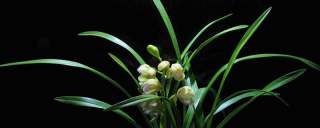
Hello, dedicated caretaker. We appreciate your efforts to provide us with a good home. However, we often see our human beginners make a few key mistakes that prevent us from truly thriving. Here is what you need to know from our perspective.
This is perhaps the most common error. You see, "Dendrobium" is a massive genus, and we have different needs. Some of us, like the Den-phalaenopsis types, love warmth and consistent moisture year-round. Others, like the noble dendrobium (D. nobile), need a distinct winter rest period with cooler temperatures and little to no water to initiate flowering. Please, learn which specific type we are. Treating a nobile like a phalaenopsis will result in a leafy green plant that never blooms, or worse, rot.
Our roots are our lifeline, but they are also highly susceptible to rot. While we enjoy moisture, we absolutely despise sitting in soggy, waterlogged medium. Constantly wet roots suffocate; they cannot breathe. This leads to root rot, which will quickly turn our canes yellow and wrinkled and can be fatal. The key is to provide plenty of water during our active growth phase, but always allow the potting medium to become nearly dry before watering again. Excellent drainage is non-negotiable.
We are sun-loving plants, but beginners often place us in a dim corner. Without adequate bright, indirect light, we simply do not have the energy to produce those beautiful flowers you desire. Our canes may become weak and leggy as we stretch desperately for more light. However, too much direct, harsh midday sun can also scorch our leaves, leaving unsightly brown or yellow patches. A spot near an east or south-facing window (with some diffusion) is often ideal. Strong, dappled light makes us happiest.
In our native habitats, we often grow in humid air with a constant, gentle breeze. The typical dry air of a modern home is challenging for us. Low humidity can lead to stress, bud blast (where flower buds dry up and fall off), and make us more susceptible to pests like spider mites. Please provide increased humidity through a humidifier, pebble tray, or regular misting. Crucially, this must be paired with good air movement from a gentle fan to prevent stagnant, damp conditions that encourage fungal and bacterial diseases.
We are epiphytes; we naturally grow on trees with our roots exposed to air. We actually prefer to be a bit pot-bound and do not need frequent repotting. Disturbing our root system unnecessarily causes immense stress and can set us back for a season. The best time to repot is when you see new roots beginning to emerge from the base of our newest cane—this is when we are actively seeking new ground and can establish quickly. Repotting while we are in bloom or dormant is a sure way to cause flowers to drop and hinder our growth.