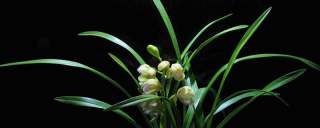
From the perspective of the Dendrobium orchid plant, the fate of a flower spike (also called an inflorescence) after blooming is a critical decision point that directly impacts its energy reserves and future growth cycles. The plant has invested a significant amount of stored energy, primarily from its pseudobulbs (thickened stems), into producing the spectacular display of flowers to achieve its ultimate goal: pollination and reproduction. Once this phase is complete, the plant's physiology shifts towards recuperation and preparing for the next growth season.
Immediately after the last flower withers and falls, the plant enters a state of assessment. The flower spike itself is a structure that, if left intact, continues to consume a small amount of the plant's resources to remain alive. From the plant's viewpoint, the primary function of this spike is now complete. The plant will begin the natural process of senescence (aging) for the spike, slowly reabsorbing any remaining moisture and nutrients, such as nitrogen and potassium, from the tissues and translocating them back to the pseudobulbs for storage. This process is a vital conservation strategy, allowing the plant to recycle valuable materials rather than wasting them.
The decision to cut the spike hinges on its condition and the specific type of Dendrobium. The plant will provide clear physiological signals. If the spike begins to yellow, brown, and dry out naturally from the tip downwards, this is a definitive signal that the plant has terminated the spike's function and is abandoning it. In this case, cutting the dried spike off at its base with a sterile tool is perfectly aligned with the plant's intentions. It removes a now-useless structure, eliminates a potential entry point for disease, and allows the plant to redirect all its reclaimed energy into root development and producing new vegetative growth (canes or keikis).
In some Dendrobium types, particularly the nobile and phalaenopsis hybrids, a green and healthy-looking spike after flowering may indicate the plant's potential for a secondary strategy. The plant may be retaining the spike because it holds dormant buds that could either produce a new round of flowers (secondary bloom) or develop into plantlets called keikis. A keiki is a form of asexual reproduction where the plant creates a clone of itself. If the spike remains plump and green for an extended period, the plant is signaling that it is still investing minimal energy into this structure for a potential future payoff. Allowing it to remain gives the plant the opportunity to pursue this secondary reproductive strategy.
Whether the spike is cut immediately or left to potentially produce a keiki, the plant's overarching goal remains the same: to strengthen itself. The energy reclaimed from the spent spike or the nutrients generated by a future keiki all contribute to the same end. This stored energy is what will power the development of new pseudobulbs and root systems in the upcoming growing season. Stronger pseudobulbs equate to a more robust plant capable of producing even more impressive floral displays in the future, thereby completing the cycle and fulfilling the plant's reproductive imperative.