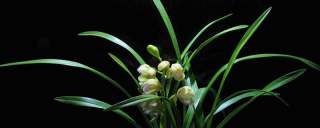
Dendrobium orchids, a vast and diverse genus, exhibit a range of growth cycles, but many popular species and hybrids undergo a crucial period of dormancy. This is not a sign of illness or decline but a deeply ingrained survival strategy. From the plant's perspective, dormancy is an essential physiological response to environmental cues, primarily decreasing light and lower temperatures, that signals an unfavorable time for active growth. It is a period of energy conservation and preparation for the next growth cycle.
As daylight hours shorten and temperatures drop, the dendrobium orchid receives a clear signal to slow its metabolic processes. From its viewpoint, the dry or cool season is approaching, a time when water may be scarce and conditions are not ideal for producing new leaves or roots. The plant's primary goal shifts from growth to preservation. It begins to redirect energy and resources, notably sugars and moisture, from the leaves and newer growths down into its pseudobulbs—the swollen, water-storing stems. These pseudobulbs act as reservoirs, bankrolling the energy required to survive the lean period and to fuel the next season's bloom and growth. The yellowing and eventual loss of leaves on deciduous types is a deliberate act of abscission, preventing unnecessary water loss through transpiration and allowing the plant to enter a state of suspended animation.
To the human eye, the plant may appear to have stalled or even be dying. However, from the plant's internal perspective, much is happening beneath the surface. Visible growth completely ceases; no new leaves, roots, or canes will emerge. The pseudobulbs may appear slightly wrinkled or shriveled as the plant utilizes their stored moisture, which is a normal and expected process. For the dendrobium, this is a period of rest, not death. Its meristematic tissues remain alive, quietly awaiting the return of signals that indicate the favorable conditions of its growing season.
The dendrobium orchid is highly attuned to its environment. The two most critical triggers for initiating and concluding dormancy are temperature and water. A significant drop in nighttime temperatures, often by 10-15°F (5-8°C) compared to daytime highs, is the primary signal for the plant to begin shutting down. Concurrently, a reduction in water and the cessation of fertilizer mimic the dry season, reinforcing the dormancy signal. Conversely, the gradual increase in temperatures and day length in late winter or early spring acts as the alarm clock for the plant. This, coupled with the resumption of careful watering, tells the orchid that the rainy season is imminent, and it is safe to break dormancy, channel its stored energy into flower spike production, and begin a new cycle of growth.