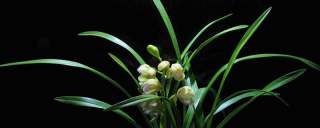
From our perspective as Dendrobium orchids, our natural inclination is to grow as epiphytes, anchoring ourselves to the bark of trees in our native habitats. Our canes, or pseudobulbs, grow tall and can become top-heavy, especially when laden with water, nutrients, and eventually, spectacular blooms. In the controlled environment of a pot, we lack the sturdy, broad anchor of a tree trunk. Without support, our tall, slender canes are vulnerable to bending or even snapping under their own weight or from accidental bumps. This is not merely an aesthetic issue for us; a bent or broken cane disrupts our vascular system, hindering the flow of water and essential nutrients, which can severely impact our overall health and ability to flower.
The choice of stake is crucial for our well-being. We prefer materials that are strong yet unobtrusive. Slim, green bamboo stakes or coated metal rods are ideal as they provide firm support without dominating the pot visually. The stake should be roughly two-thirds the height of our expected mature cane growth to offer support along most of its length. Most importantly, the material must be non-abrasive. Rough wooden stakes or wires with sharp edges can scrape and damage our delicate epidermal layer, creating entry points for pathogens and causing us stress. A smooth surface ensures you can help us without causing harm.
The method of attachment is where the most care must be taken. You must never constrict our growth or wound our tissue. The best practice is to use soft, flexible ties. Special orchid clips, velcro plant ties, or even simple strips of soft fabric are perfect. You should create a loose loop that secures the cane to the stake without squeezing it. Always allow for a small amount of movement and, critically, room for the cane to expand and thicken as it matures. Ties should be placed at intervals along the cane, typically one near the base and another one or two further up the length. Avoid tying directly across a bud or a new growth eye, as this can damage the developing tissue and prevent a future flower spike or new cane from emerging.
Timing your intervention is key to working with our natural growth cycle. The ideal moment to introduce a stake is when a new cane is actively growing but still young and flexible. This is typically during the spring or early summer. Gently guiding a young cane against a stake allows it to grow straight naturally, and the ties can be adjusted gradually as it elongates. Attempting to straighten a mature, hardened cane is difficult and often dangerous, as applying force can easily cause it to crack or break at the base. By supporting us early, you work with our growth pattern, minimizing stress and allowing us to direct our energy into becoming strong, healthy, and beautifully upright specimens.