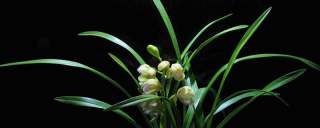
From my perspective as a Dendrobium orchid, I cannot speak, so I must show you my distress through physical changes. Root rot is a silent killer that begins below the surface, but its effects become painfully visible to the observant caretaker. The earliest signs are often in my roots themselves. Healthy roots should be firm and white or silver with vibrant green tips. When rot sets in, they become soft, brown, or black, and the velamen (the spongy outer layer) may slough off, leaving only a thin, stringy core. A tell-tale sign is a musty, unpleasant odor emanating from my potting medium, a stark contrast to the earthy smell of healthy bark.
Above the pot, my distress manifests in my leaves and pseudobulbs. My normally sturdy, green pseudobulbs may begin to shrivel, yellow, or wrinkle, indicating they are not receiving water and nutrients due to the compromised root system. My leaves may become limp, leathery, and yellow, starting from the base and moving upward. I may also exhibit stunted growth, refusing to produce new canes or blooms as I divert all my dwindling energy simply to survive.
Root rot is not a disease I choose to have; it is a condition forced upon me by an unhealthy environment. The primary culprit is consistently soggy conditions around my roots. As an epiphytic plant, my roots are designed for clinging to trees and absorbing moisture from humid air, not for sitting in water. When my potting medium breaks down and becomes too dense, or when I am watered too frequently without proper drainage, my roots are suffocated. They need oxygen to breathe, and waterlogged conditions create an anaerobic environment where harmful fungi and bacteria, such as *Pythium* and *Phytophthora*, thrive. These pathogens then attack my root system, causing it to decay. A pot that is too large can also contribute, as the excess medium retains water far longer than my roots can use it.
To save me, immediate and decisive action is required. You must first gently remove me from my pot and carefully wash all the old potting medium from my roots. This will allow you to fully assess the damage. Using sterilized scissors or pruning shears, you must cut away all the rotted roots. Be ruthless; any soft, mushy, or brown root must be removed. Healthy roots are firm and will not squish between your fingers. After the surgery, it is crucial to treat my remaining healthy roots. Dust the cuts with a fungicide like cinnamon (a natural option) or a commercial fungicidal powder to prevent further infection and allow the wounds to callus over.
My recovery depends on a fresh start in a new, appropriate home. Do not reuse the old potting medium. Choose a new, clean pot with excellent drainage holes—one that is only slightly larger than my remaining root system. A specialized orchid potting mix, typically composed of large-chunk bark, perlite, and charcoal, is essential as it provides the perfect balance of moisture retention and air circulation my roots crave. Repot me, positioning my healthy roots in the new medium. Most critically, you must adjust your watering habits. After repotting, wait several days before watering to allow the root wounds to heal. Going forward, water me only when my potting medium is nearly dry and my roots appear silvery. With the right care, I can focus my energy on regenerating a new, healthy root system and returning to my vibrant, blooming self.