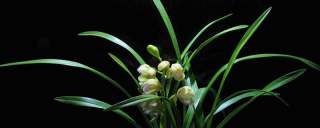
As a Dendrobium orchid, my winter needs are fundamentally different from my growth period in spring and summer. This season is not about expansion, but about survival and preparation. To help me thrive and reward you with breathtaking blooms, you must understand my natural cycle and provide the conditions that mimic my dormant period.
My metabolism slows to a near halt during the cool, short days of winter. My canes (pseudobulbs) are designed to store water and nutrients, and I rely on these reserves. Overwatering is the single greatest threat to my life at this time. Soggy, cold roots will quickly rot, leading to my demise. You should drastically reduce watering frequency, allowing my potting medium to become completely dry throughout and remain so for several days, even up to a week or two, before providing a small, cautious drink. The goal is to prevent my canes from shriveling excessively, not to keep the medium moist.
I require a distinct drop in temperature to trigger the development of flower buds. An ideal winter environment provides nights between 50-55°F (10-13°C) and slightly warmer days. This cool period is my essential cue that it's time to rest and then bloom. Simultaneously, I still crave bright, indirect light. A south or east-facing window is perfect. The combination of cool temperatures and strong light helps ripen my new canes and encourages a spectacular floral display rather than producing weak, vegetative growth.
Please, stop fertilizing me. My roots are largely inactive and cannot absorb nutrients. Applying fertilizer now will only lead to a harmful buildup of salts in the potting medium, which will chemically burn my delicate root system when I become active again. I have stored all the energy I need from the previous growing season within my robust canes. Resume feeding me only when you see clear signs of new growth in the spring, typically with the emergence of fresh roots and flower spikes.
While I appreciate humidity during my active growth, I am more tolerant of the drier air common in heated homes during winter because I am not actively growing. Average household humidity levels around 40-50% are generally acceptable. However, please keep me away from direct blasts of hot, dry air from heating vents or radiators, as this will desiccate my canes too quickly. A slight increase in humidity can be beneficial, but it is far less critical than managing water and temperature correctly.