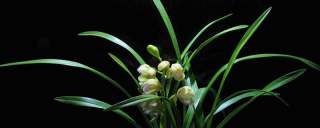
Dendrobium orchids, with their vast diversity, are epiphytic plants that naturally grow attached to trees in tropical and subtropical regions. Their unique aerial roots are covered in a spongy tissue called velamen, which is highly adapted to absorb moisture and nutrients directly from humid air and rainfall. Therefore, from the plant's perspective, atmospheric humidity is not merely a preference; it is a fundamental component of their physiological function, directly impacting hydration, nutrient uptake, and overall vitality.
For most Dendrobium varieties, a relative humidity level between 50% and 70% is optimal. Within this range, the velamen on their roots can effectively perform its dual role: absorbing atmospheric moisture and allowing for necessary gas exchange. Humidity below this range forces the plant to conserve water, leading to the closure of stomata (pores on the leaves). This halts photosynthesis and can cause stress, evidenced by wrinkled pseudobulbs, leathery leaves, and aborted buds. Humidity consistently above 70%, especially without sufficient air movement, creates a stagnant environment where the velamen remains saturated. This suffocates the roots, preventing them from "breathing," and creates a prime condition for pathogenic fungi and bacteria to attack, leading to root rot.
Beyond daily maintenance, humidity is a key environmental cue for the reproductive cycle. A slight, natural dip in nighttime temperatures coupled with maintained high humidity often mimics the seasonal changes of their native habitat. This combination signals to the Dendrobium that conditions are right for developing flower spikes. In an environment that is too dry, the plant will prioritize survival over reproduction, diverting all energy to maintaining basic functions and likely refusing to bloom, regardless of other perfect cultural conditions.
Since your entire home cannot be a greenhouse, creating a localized humid microclimate is the most effective strategy. Grouping your Dendrobium with other plants is highly beneficial, as the collective transpiration from their leaves raises the humidity in their immediate vicinity. Placing the pot on a humidity tray—a shallow tray filled with pebbles and a layer of water (ensuring the pot sits on the pebbles, not in the water)—provides constant evaporation right around the plant. For larger collections, a small humidifier offers the most control. Gentle air circulation from an oscillating fan is the crucial partner to high humidity, as it prevents moisture from settling on the leaves and crowns, which invites rot.
Your Dendrobium will clearly communicate its satisfaction or distress with the humidity levels. Plump, green roots with silvery-green tips indicate perfect hydration. Healthy, firm pseudobulbs and lush, green leaves are signs of a happy plant. Conversely, shriveled pseudobulbs and pleated or crispy leaf tips are a desperate cry for more atmospheric moisture. Soft, brown, or mushy roots and yellowing leaves that drop prematurely are warning signs of excessive humidity and poor root health, necessitating immediate improvement in air flow and a reduction in watering.