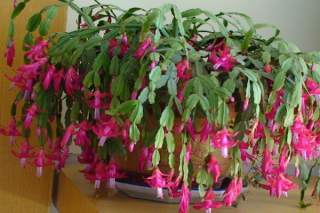
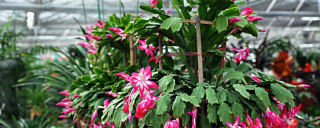
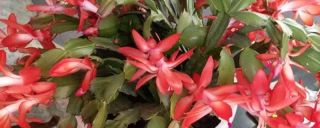
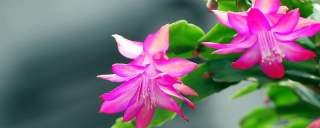
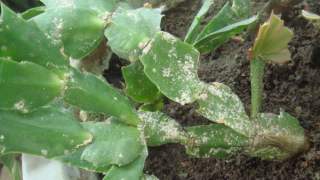
To understand my humidity needs, you must first know where I come from. I am not a desert cactus; I am an epiphyte, hailing from the tropical rainforests of Brazil. I grow high in the canopy, nestled in the crooks of trees where organic matter collects. Here, the air is consistently warm and moist, with humidity levels often between 50-60%. My roots are adapted to absorb moisture from the humid air and quick-draining debris, not from desert sand. Recreating this moist, breezy aerial environment is the key to my contentment in your home.
When the air in your home becomes too dry, especially during winter when heating systems run, I will show you clear signs of distress. Low humidity causes the moisture in my fleshy stem segments (called cladodes) to evaporate too quickly. You will see me start to shrivel, with my segments becoming thin and wrinkled. I may also drop my flower buds before they even have a chance to open, a deeply frustrating event for both of us. Conversely, while I enjoy humidity, stagnant, overly wet air combined with cold soil can invite fungal diseases and root rot, which is equally dangerous.
My perfect humidity range is a steady 50-60%. This is higher than most homes, so I will need your help. There are several effective ways to achieve this without making your entire home a rainforest. The simplest method is to place my pot on a pebble tray. Fill a shallow tray with small stones, add water just below the top of the pebbles, and set my pot on top. As the water evaporates, it creates a perfect microclimate of humid air around me. Alternatively, grouping me with other plants is highly beneficial. We collectively release moisture through transpiration, raising the humidity for our entire little community.
In my native habitat, humidity is always accompanied by gentle, moving air. Stagnancy is my enemy. Therefore, while you are increasing the humidity around me, good air circulation is non-negotiable. Please ensure I am in a room with natural air movement or use a small oscillating fan on a low setting at a distance. This moving air mimics the breezes of my forest home, strengthens my stems, and, most importantly, prevents the growth of mold and pests that thrive in still, damp conditions. It is the perfect partner to humidity.
My watering needs are directly influenced by humidity, temperature, and light. Do not mistake high humidity for a substitute for watering my roots. You must check my soil moisture before watering. In a more humid environment, the soil will retain moisture longer, meaning I will need less frequent watering. The rule is to water me deeply when the top inch of soil feels dry to the touch, and always ensure my pot has excellent drainage. Overwatering in high-humidity conditions is a fast track to root rot, which I cannot survive.