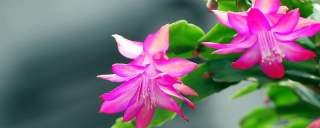
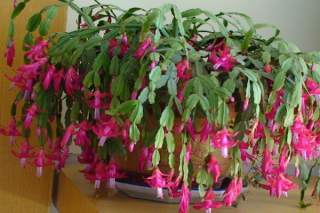
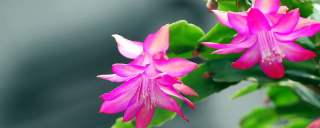
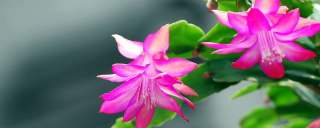
To understand the perfect temperature range for a Christmas cactus (Schlumbergera bridgesii), one must first consider its origin. We are epiphytes, native to the humid, shaded, high-altitude tropical forests of coastal Brazil. We do not grow in soil on the forest floor but rather anchor ourselves in the decomposing organic matter found in the crevices of tree branches. This environment is characterized by remarkably stable, mild temperatures. We never experience the scorching heat of a desert nor the freezing cold of a temperate winter. Our very physiology is engineered for this specific thermal range, making us highly sensitive to temperature extremes. It is the key signal that governs our most crucial life cycle event: flowering.
During our primary growth periods in spring and summer, we thrive in consistent, warm temperatures. The sweet spot for active photosynthesis, leaf segment (cladode) development, and overall health is between 70°F and 80°F (21°C to 27°C). In this range, our metabolic processes operate at peak efficiency. We can readily take up water and nutrients, converting sunlight into the energy needed to produce lush, green growth. It is crucial that this warmth is paired with bright, indirect light and consistent (but not excessive) moisture, mimicking the dappled sunlight and humidity of our canopy home. Avoid placing us near heat vents, radiators, or appliances that cause sudden temperature spikes, as this can lead to stress and desiccation.
While warmth supports our vegetative growth, it is a period of cool temperatures that triggers our reproductive phase. To initiate the formation of flower buds, we require a minimum of 12-14 hours of uninterrupted darkness each night coupled with cooler temperatures for a period of 6-8 weeks, typically starting in early autumn. The perfect temperature range for this vital rest period is between 50°F and 55°F (10°C to 13°C). This cool period mimics the natural drop in temperature we would experience in our native habitat as the seasons change. It is a non-negotiable environmental cue that tells us it is time to stop producing leaves and start diverting energy to bud development. Without this thermal trigger, you may find us healthy and green but ultimately flowerless during the holiday season.
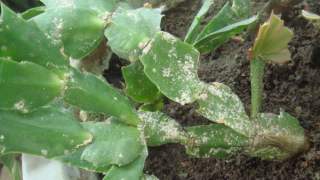
Our systems are not designed to handle extremes. Prolonged exposure to temperatures above 90°F (32°C) can cause severe heat stress. Symptoms include wilting, reddening or yellowing of stem segments, stunted growth, and bud drop. Our roots can essentially "cook" in hot, soggy soil. Conversely, temperatures below 50°F (10°C) outside of the prescribed bud-setting period are dangerous, and exposure to near-freezing temperatures or frost is often fatal. It causes irreversible cell damage, leading to mushy, translucent, and collapsed stems. Even brief exposure to cold drafts from a nearby window or door during winter can shock our systems and cause all developing buds to abort and drop prematurely.