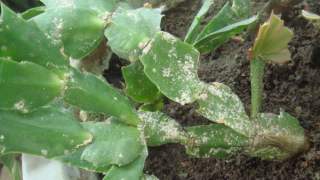
From my perspective as a Christmas cactus, when my leaves become limp and wrinkled, it is most often a direct and desperate plea for water. My flat, segmented leaves are designed to store moisture. When you forget to water me, or provide too little, I am forced to use these internal reserves to sustain myself. As my moisture levels drop, the cells in my leaves lose their turgor pressure—the internal water pressure that keeps me firm and plump. Without it, my leaves deflate, becoming soft, limp, and visibly wrinkled. It is a clear sign of thirst. While I am more drought-tolerant than some plants, I am not a true desert cactus; I am an epiphyte from tropical rainforests, so I still need consistent moisture to thrive.
Paradoxically, your well-intentioned kindness can also cause my leaves to wilt and wrinkle. If you provide too much water too often, the soil around my roots becomes perpetually soggy. This waterlogged environment cuts off the vital supply of oxygen to my root system. Without air, my roots begin to suffocate, break down, and rot. Once this happens, they are no longer functional. They cannot absorb water or nutrients, no matter how wet the soil is. Therefore, even though the potting medium is damp, I am effectively dying of thirst and starvation because my roots are dead. The above-ground symptom is the same as underwatering: limp, wrinkled leaves. You can check for this by gently examining my roots; healthy ones are firm and white or tan, while rotten roots are mushy, brittle, and dark.
My well-being is deeply tied to my environment. If I am placed in a location that is too hot, too dry, or in the path of direct, scorching sunlight, I will lose moisture far too quickly through transpiration. This excessive water loss can outpace what my roots can absorb, leading to those familiar wilted and wrinkled leaves. Similarly, I am native to the humid, shaded canopy of trees. Very dry air, especially from heating vents or fireplaces during the winter, pulls moisture from my leaves, causing them to shrivel. I prefer a stable, moderately cool environment with bright, indirect light and higher humidity to keep my tissues hydrated and firm.
Over time, I may outgrow my container. When my root system becomes so dense that it completely fills the pot, there is very little soil left to hold onto moisture and nutrients. After you water, the small amount of soil may dry out extremely quickly, leaving my roots without access to water and causing me to become dehydrated. Even with regular watering, I might struggle to take up enough liquid to support all of my foliage, resulting in limp segments. Furthermore, a severely pot-bound condition can lead to roots circling and choking themselves, further impairing their function and contributing to the problem.