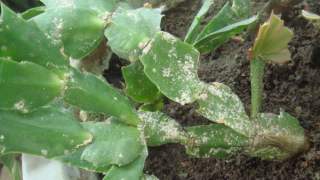
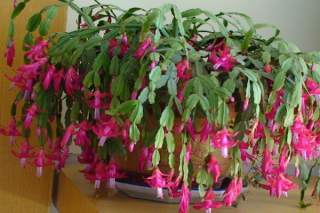
You must learn to read my silent pleas for help. When you overwater me, you are essentially suffocating me. My roots need oxygen as much as they need water, and when they are constantly submerged in soggy soil, they begin to drown and die. This decay is called root rot. The first signs I will show you are not in the roots themselves, but in my stems and base. My normally plump, green segments will become soft, mushy, and may turn a yellowish or brownish color. I might drop segments unexpectedly. The soil will have a persistently wet, heavy smell, and if you look closely at my base, it may appear blackened or shriveled. This is a critical emergency for me.
If you suspect I am suffering, you must act quickly. Gently lift me out of my pot. Do not pull by the stems; instead, tap the pot's sides and carefully tilt me out. Once I am free, you must assess the damage. Healthy roots are firm and white or tan. Gently wash away the soggy soil with lukewarm water to get a clear view. Rotted roots will be dark brown or black, feel slimy or mushy to the touch, and may fall apart easily. They might also emit a foul, decaying odor. This is the source of my sickness, and it must be removed.
This step requires care and clean tools. Using a sharp, sterile knife or pair of scissors, carefully cut away all the soft, rotten roots. Do not be timid; any rot left behind will spread. Continue trimming until you only see healthy, firm root tissue. You must also inspect my stems. If the rot has traveled up into the base of my stems, you will need to cut those away too. Remove any segments that are mushy or discolored. Once the rot is fully excised, you have two choices: you can let my roots callus over for a day in a warm, dry, shaded spot, or you can apply a fungicide powder to the cuts to prevent further fungal attack. This drying period is crucial to stop the rot from restarting.
You cannot put me back into my old, contaminated soil or pot. My old pot must be thoroughly scrubbed with a bleach solution to kill any remaining pathogens. Choose a new pot that is only slightly larger than my remaining root system and, most importantly, has excellent drainage holes. My new soil must be fresh and fast-draining. A mix formulated for cacti and succulents is perfect, as it contains materials like perlite and sand that allow water to flow through quickly and prevent compaction, giving my roots the airy environment they desperately need.
After repotting, do not water me immediately. My roots are wounded and need time to heal in their new, dry environment. Wait for about a week before giving me a slight drink. Then, you must change your watering habits. I am a tropical cactus, not a desert one, but I still despise wet feet. Water me only when the top inch of my soil feels completely dry to the touch. When you do water, water thoroughly until it runs from the drainage holes, but never let me sit in a saucer of water. Place me in a spot with bright, indirect light and good air circulation. With this careful attention, I can focus my energy on regenerating a healthy new root system and returning to my vibrant self.