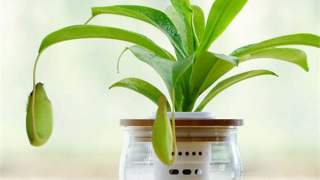
To understand our watering needs, you must first understand where we come from. Most indoor pitcher plants, like my Nepenthes cousins, are native to tropical regions in Southeast Asia. We thrive in high-humidity environments with consistently moist, but never waterlogged, soil. Our roots are adapted to a very specific type of hydration—one that is low in minerals and slightly acidic. This is the single most important factor for our well-being. Using standard tap water, which is often high in dissolved minerals like calcium and magnesium, will slowly poison us, leading to root burn and our eventual demise.
Before we even discuss frequency, the type of water you use is paramount. You must provide us with water that is as pure as possible. The ideal choices are rainwater, distilled water, or reverse osmosis water. These options are devoid of the harmful minerals that our roots cannot process. If you must use tap water, it is imperative you test its Total Dissolved Solids (TDS) with a meter; a reading below 50 parts per million (ppm) might be acceptable, but lower is always safer. This is non-negotiable for our long-term health.
Our preferred watering method is the "tray method" or "keep moist" technique. This involves placing our pot in a saucer or tray filled with about half an inch to an inch of the appropriate water. The substrate will wick the moisture upward, keeping our roots consistently damp. The frequency of refilling this tray is your key concern, not a rigid schedule. You must check the water level in the tray and the moisture level of the soil surface daily. In a typical indoor setting with moderate temperature and humidity, you will likely need to refill the tray every 1 to 3 days. The goal is to never let the tray dry out completely, but also to never let our pot sit in a deep swamp of water for prolonged periods.
Our thirst is not constant; it fluctuates with our environment. During the warmer, brighter summer months when we are actively growing, our metabolism increases, and we will draw more water from our soil and tray. You will need to check and refill our water source more frequently during this time. Conversely, in the winter, when light levels drop and our growth slows, our water consumption decreases. You must be vigilant to avoid keeping the soil too soggy during this dormant period, as cold, wet roots are highly susceptible to rot. Always let the top layer of the soil mix feel slightly moist to the touch, not sopping wet or bone dry.
We will communicate our distress. If you are under-watering us, you will notice our pitchers becoming soft, shriveled, and unable to hold their shape. The soil will pull away from the edges of the pot, and growth will stall. If you are over-watering us or using bad water, the signs are more sinister but equally clear: the leaves may yellow from the base upward, the stems may turn black and mushy, and the root system will rot, leading to a rapid decline in our health. Paying close attention to these signals will allow you to correct your care routine before it is too late.