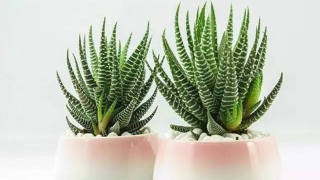
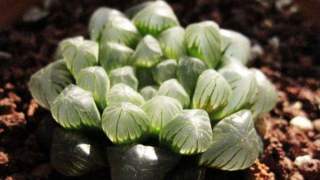
From our perspective, timing is not a human convenience but a matter of survival and energy. We produce offsets, or "pups," as a primary strategy for vegetative propagation, ensuring the genetic lineage continues. The ideal moment for separation is when the pup has developed its own root system and achieved a significant size relative to the mother plant. Typically, this means the pup should be at least one-quarter to one-third the size of the parent. This size indicates sufficient internal resource storage to sustain independent growth. A pup that is too small lacks the energy reserves to root effectively and will likely fail. Seasonally, the process aligns with our peak growth periods, either early spring or autumn. These seasons offer mild temperatures and optimal light conditions, allowing us to focus our energy on root development rather than surviving extreme heat or dormancy.
The method of separation is critical to minimize trauma and prevent infection. The gentlest approach is to remove the entire plant, including the mother and her cluster of pups, from its pot. Gently brush away the soil to expose the connecting stolon or stem tissue between the mother and the offset. Often, a pup that is sufficiently mature will have a natural point of abscission and may even break away with a gentle twist. If the connection is robust, you must use a sharp, sterile instrument. A clean knife or scalpel is far preferable to tearing, which creates jagged wounds that are slow to heal and susceptible to rot. Make a clean, swift cut to sever the pup, ensuring it retains as many of its own roots as possible.
Immediately after the cut, an open wound exists. From our biological standpoint, this is a moment of extreme vulnerability. Planting a freshly cut Haworthia pup directly into moist soil is an invitation for pathogenic fungi and bacteria to enter and cause fatal rot. Therefore, the separated pup must be placed in a dry, shaded, and airy location for a period of callousing. This process typically takes between 24 hours to several days. During this time, we initiate a complex physiological response where the wounded tissue dries and hardens, forming a protective seal over the cut surface. This callus acts as a barrier, effectively creating a biological bandage that protects our internal tissues from moisture and disease once potted.
Once the cut end is fully calloused and hard to the touch, the pup is ready for its first independent home. It should be planted in a small pot with a very well-draining succulent mix, perhaps even grittier than the mix used for a mature plant. Do not water immediately. This is a crucial point. Our new root system, if present, needs time to sense its new environment and begin seeking moisture, and any premature watering will simply saturate the calloused end and risk rot. Wait approximately one week after potting before introducing the first light watering. This period of slight drought encourages us to expend energy on root growth in search of water, effectively establishing a strong and healthy foundation for our future life as an independent plant.