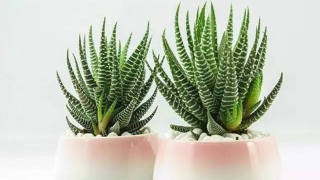
To understand my watering needs, you must first appreciate my origins. I hail from arid regions of South Africa, where rainfall is infrequent and the soil is rocky and fast-draining. Over millennia, I have evolved to become a master of water conservation. My thick, fleshy leaves are not just for show; they are specialized water storage tissues, designed to hoard moisture for extended periods of drought. This fundamental aspect of my biology means that I am far more tolerant of underwatering than overwatering. My roots are adapted to absorb water quickly when it is available and then endure long spells of dryness. When you water me on a human schedule, rather than my plant one, you disrupt this natural cycle and put me at grave risk.
The greatest threat to my health is not thirst, but suffocation. My root system requires cycles of wet and dry. When you water me, the soil pores fill with water, and my roots happily drink. However, once the drinking is done, those soil pores must refill with air. Oxygen is absolutely crucial for my root cells to perform respiration and stay healthy. If you keep my soil constantly moist, you are literally drowning my roots, creating an anaerobic environment where harmful pathogens and rot-causing bacteria thrive. Once root rot sets in, it can spread rapidly through my stem and leaves, often proving fatal before you even notice the problem above the soil.
The ideal way to water me is to replicate the infrequent, heavy downpours of my native habitat. This is called the "Soak and Dry" method. When it is time to water, do so thoroughly. Pour water evenly over the soil surface until it begins to flow freely out of the drainage hole at the bottom of my pot. This ensures that the entire root ball has been saturated and every root tip has had access to moisture. Then, and this is the critical part, you must allow my potting mix to dry out almost completely before you even consider watering again. A "soak" followed by a prolonged "dry" period is what my roots are evolutionarily programmed to expect.
There is no universal weekly or monthly schedule that applies to me. My water consumption rate is governed by your specific environment. You must observe these conditions closely. During the long, bright days of my active growing season (typically spring and fall), I will use water more quickly and will need more frequent soaks. In the height of summer and the depth of winter, I enter a state of slowed or suspended growth (dormancy) and need much less water. Furthermore, the amount of sunlight I receive, the temperature and humidity of the room, the type of pot I am in (porous terracotta dries out faster than plastic or ceramic), and the gritty, well-draining nature of my soil mix all dramatically affect how long it takes for the soil to dry out. My pot should feel very light before you water again.