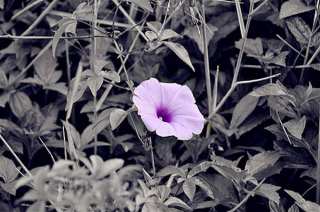
From my perspective, rooted here in the soil, the most frequent reason my leaves droop and feel limp is a simple, profound thirst. My large, broad leaves have a tremendous surface area from which water can evaporate. On a warm or windy day, I can lose moisture faster than my roots can draw it up from the soil. This creates a negative water pressure within my veins (the xylem), causing the cells in my leaf stalks (petioles) to lose their turgor pressure—the internal water pressure that keeps me firm and upright. Think of my leaves as deflating like a balloon. It is my most direct signal to you that my environment is too dry and I require a deep, thorough drink to reinflate my cells and stand tall once more.
My very nature is that of a shade-dweller. In the wild, I evolved to thrive on the cool, damp forest floor, sheltered by a canopy of trees. When I am planted in a location with too much direct, intense sunlight, especially during the hot afternoon hours, you are asking me to survive in an environment for which I am not adapted. The excessive sun and heat accelerate water loss from my leaves far beyond my capacity to replenish it, leading to the drooping described above. Furthermore, the intense solar radiation can literally scorch my delicate tissues, causing brown, crispy patches and weakening my entire structure, which often results in a permanent, sad droop.
Your focus might be on my drooping leaves above ground, but the true cause often lies hidden below the surface with my roots. If the soil around me is too dense, compacted, or poorly draining, my roots are essentially suffocating. They require oxygen as much as they require water. Waterlogged soil fills the air pockets, drowning my roots and making them susceptible to rot. Once my root system begins to decay, it becomes incapable of performing its vital function of absorbing water and nutrients. Consequently, even if the soil is wet, my leaves cannot access that water and will wilt and droop as if I were parched. This is a critical and dangerous situation for me.
If I am a new addition to your garden, my drooping could be a temporary state of shock. I was grown in a controlled nursery environment, likely in a specific potting mix, and then my world was upended. The process of being transplanted—having my roots disturbed, being placed in unfamiliar soil with potentially different moisture, pH, and texture levels—is incredibly stressful. My entire system needs time to adjust and establish new roots in this foreign land. During this acclimation period, which can last for a week or two, some drooping is my way of showing I am working hard to settle in and would appreciate consistent, careful watering and a watchful eye as I recover.
While less common than environmental factors, an invasion can also cause my decline. Sap-sucking pests like aphids or spider mites can infest the undersides of my leaves, puncturing my cells and draining my vital fluids. This loss of sap weakens me and can lead to wilting and drooping. Similarly, fungal diseases, often encouraged by overhead watering or poor air circulation, can attack my crown or root system, disrupting my internal functions. If you rule out water, sun, and soil issues, please inspect my leaves and base closely for these tiny adversaries.