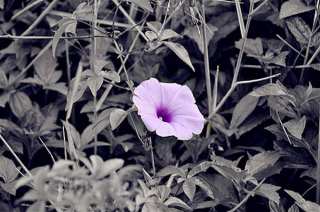
From our perspective as Calibrachoa plants, often called "Million Bells," we are a vibrant and resilient choice for gardeners seeking a colorful ground cover. We offer a low-growing, trailing habit that creates a dense mat of foliage and a prolific display of small, petunia-like flowers from spring until the first frost. To truly thrive and fulfill this role, we require specific conditions and care that align with our innate needs.
To establish ourselves successfully as a ground cover, the initial planting conditions are paramount. We demand excellent drainage above all else; our root systems are susceptible to rot in heavy, waterlogged soil. We prefer a location that provides us with full sun for at least 6 to 8 hours daily. This abundant sunlight is the primary energy source that fuels our immense flowering potential and keeps our growth compact and dense, rather than becoming leggy as we stretch for light. While we can tolerate very light shade, a sun-drenched spot is ideal. When planting, amending the native soil with compost or a well-draining potting mix will create a welcoming environment for our roots to spread and anchor us as a ground cover.
Sustaining our role as a prolific flowering ground cover is an energy-intensive process. We are considered heavy feeders due to the constant production of blooms. A consistent supply of nutrients is crucial. We respond best to a balanced, water-soluble fertilizer applied every one to two weeks throughout the growing season, or alternatively, a slow-release fertilizer mixed into the soil at planting time. This steady nutrition directly supports our ability to cover the ground in color. Our watering needs are consistent but moderate. We prefer the soil to be kept evenly moist, but not saturated. Allowing the top inch of soil to dry out slightly between waterings encourages our roots to grow deeper, making us more drought-tolerant and stable as a ground-covering mat.
While we are naturally prolific, a small amount of strategic maintenance ensures we remain the healthiest and most attractive ground cover possible. Although not always mandatory for our survival, a light pruning or "haircut" mid-season can be immensely beneficial. If our stems become slightly long or if the flowering seems to slow, trimming us back by a few inches encourages a new flush of branching, resulting in even denser growth and a renewed explosion of blooms. This process helps us maintain a uniform carpet-like appearance. Furthermore, regularly removing spent blooms (deadheading), though not strictly necessary due to our self-cleaning nature, can improve our overall aesthetics and channel more energy into producing new flowers rather than setting seed.
It is important to understand that in many climates, we are cultivated as tender perennials or annuals. We cannot survive freezing temperatures. Therefore, our use as a ground cover is for a single, spectacular season. In terms of pests and diseases, our primary concern is root rot from overwatering. Providing excellent drainage is the best defense. We can also occasionally be visited by aphids or thrips, but we are generally resilient against most major pests when our basic sun, food, and water needs are met, allowing us to focus our energy on creating a breathtaking blanket of color.