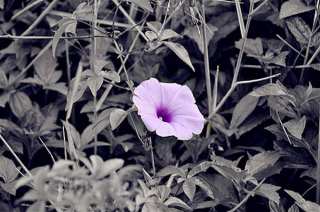
For gardeners, understanding the dietary preferences of local wildlife, particularly deer, is crucial for a successful and beautiful landscape. The question of whether deer eat Calibrachoa (often called "Million Bells") is a common one. From a botanical perspective, the answer is nuanced and depends on the plant's physical and chemical characteristics interacting with the deer's foraging behavior.
Calibrachoa is generally considered to be deer-resistant. This classification is not a guarantee of absolute immunity but indicates that deer will typically avoid eating these plants if other, more palatable food sources are readily available. This resistance stems from several key traits inherent to the plant itself. Deer are selective browsers with a keen sense of smell and taste, and they tend to gravitate towards plants that are tender, succulent, and nutrient-rich, often avoiding those with certain off-putting characteristics.
The primary reason for Calibrachoa's deer resistance lies in its physical and chemical makeup. The plant's foliage is slightly sticky and has a fine, hairy texture (pubescence). Deer find this texture unpleasant to the tongue and generally avoid plants that feel hairy or sticky. More importantly, Calibrachoa possesses a distinct sap and fragrance. When the leaves or stems are bruised, they release a mildly pungent or "skunky" scent. This aroma, while not overpowering to humans, is a significant deterrent to deer, whose sensitive noses interpret it as a warning sign of a potentially toxic or unpleasant-tasting plant.
It is vital to understand that a deer's willingness to eat a particular plant is highly dependent on external environmental factors. The concept of "deer resistance" is relative. In times of extreme hunger, such as during a prolonged drought, a harsh winter with deep snow cover, or in areas with a very high deer population and limited natural forage, deer will expand their dietary choices significantly. Under these conditions of high pressure, a hungry deer may sample or even consume plants they would normally avoid, including Calibrachoa. Therefore, while the plant possesses natural defenses, it is not deer-proof.
Given its generally resistant nature, Calibrachoa can be a valuable component in a deer-aware garden design. Its prolific, petunia-like blooms provide vibrant color from spring through fall. To maximize its effectiveness and protect it and other plants, employ it strategically. Consider planting Calibrachoa in containers on patios or decks that are closer to human activity. Integrate it into garden beds alongside other plants known for their strong deer resistance, such as lavender, salvia, lantana, or snapdragons. The combined scents and textures of these plants can create a more powerful deterrent barrier. Using physical barriers like fencing or motion-activated sprinklers remains the most reliable method for protecting any garden in areas with severe deer pressure.