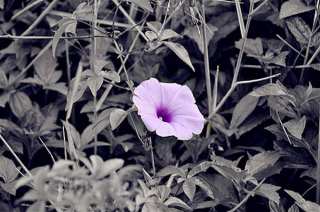
From a botanical perspective, the classification of Calibrachoa (often called "Million Bells") as an annual or perennial is not a matter of debate but of climate. Genetically, Calibrachoa are tender herbaceous perennials. They possess the biological machinery and genetic coding to live for multiple growing seasons, regenerating from their root systems year after year. This perennial habit is their natural state in their native range, which includes parts of South America, notably Brazil. There, the environmental conditions allow them to fulfill their complete, multi-year lifecycle without interruption from killing frosts.
The shift from their innate perennial nature to being treated as annuals is dictated entirely by their sensitivity to environmental stress, specifically temperature. Calibrachoa plants are extremely frost-tender. Their cellular structure cannot withstand freezing temperatures; ice crystals form within the plant tissues, causing irreversible damage that leads to cell death. This lack of cold hardiness is the primary factor that limits their lifespan in most cultivated gardens outside of USDA hardiness zones 9-11. In these cooler zones, the winter season presents an insurmountable abiotic stress that the plant cannot survive, effectively ending its life cycle after a single season.
As perennials, Calibrachoa's growth strategy is not focused on a single, massive reproductive push ending in death (like a true annual). Instead, they are prolific, continuous bloomers throughout their growing season. They allocate energy steadily to flower production to attract pollinators for seed set while simultaneously maintaining vegetative health. However, when temperatures drop and daylight diminishes, a perennial plant's instinct is to enter dormancy, conserving energy in its crown and root system to survive the winter and fuel regrowth in spring. In the case of Calibrachoa placed in a cold climate, this survival mechanism is futile because the frost kills the plant before dormancy can be effectively achieved, cutting the intended perennial lifespan short.
The practice of growing Calibrachoa as an annual is a horticultural adaptation to environmental limitation. Gardeners exploit the plant's innate ability to grow rapidly and flower profusely within a single warm season. The plant is cultivated from seed or cuttings in spring, enjoys a full lifespan of vegetative growth and prolific flowering throughout the spring, summer, and into autumn, and then is allowed to be killed by the first frost. Its genetic potential for a longer life is intentionally sacrificed for a guaranteed, season-long display of color. In warm climates where frost is absent, the same plant will indeed behave as a perennial, dying back slightly in the cool season but resuming vigorous growth when warmer temperatures return.