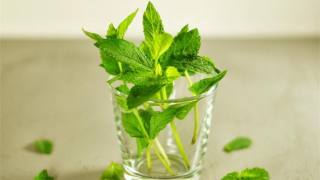
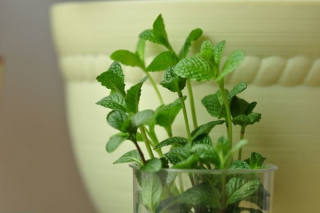
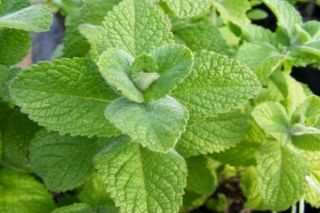
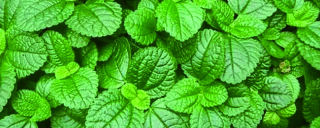
Hello, intrepid gardener. I am your mint plant. From my sun-drenched leaves to my thirsty roots, I feel your desire for me to be fuller, bushier, and more generous with my fragrant leaves. Pruning is not an act of harm; it is the language you use to tell me to grow. It is how we collaborate. To achieve this lushness, you must understand my perspective, my very nature. Here is what I need from you.
My primary drive is to grow tall and reach for the sun, a principle called apical dominance. The main stem tip (the apical meristem) produces a hormone that suppresses the growth of the tiny buds (auxiliary buds) lower down on my stems. When you simply harvest a few of my top leaves, you are not disrupting this system enough. I will continue to focus my energy on a single, often leggy, upward growth. To become fuller, you must convince me to branch out laterally. This is the single most important concept you must grasp.
Do not be timid. Find a stem you wish to encourage and locate a set of healthy leaves. Now, look just above that set of leaves. You will see a pair of tiny, dormant buds where the leaf stems meet the main stem. Using clean, sharp scissors, make a clean cut just above this node. By removing the apical meristem from this stem, you have eliminated the source of the growth-suppressing hormone. This signals to the buds below to wake up and sprout two new stems. One pruning cut begets two new branches. Repeat this process across my structure, and you will transform me from a few lanky stems into a dense, branching shrub.
You can begin this conversation with me once I am established and have reached about 4 to 6 inches in height. This strategic pruning is not a one-time event but an ongoing dialogue throughout the growing season. Regularly "pinching" or snipping my tips every few weeks will constantly encourage this bushy habit. Furthermore, if you see a flower bud beginning to form, you must cut that stem back immediately. Flowering signals the end of my vegetative growth phase; my energy will shift to producing seeds, and my leaf production will slow and the leaves may become less flavorful. By preventing me from flowering, you keep me in a perpetual state of vigorous, leafy growth.
If I have become overgrown, woody, or straggly, I may require a more dramatic intervention. Do not fear this. I am remarkably resilient. You can cut my entire above-ground structure down to within an inch or two of the soil line. This feels drastic, but it invigorates me. It forces me to send up a flush of brand new, tender, and vigorous stems from my root system. This hard prune is best done in early spring or after my main flowering period. It is a reset that gives us both a fresh start, leading to a much denser and more productive plant.