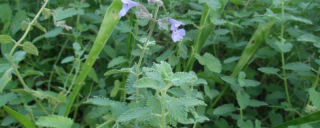
First, check my soil. Is it bone dry and pulling away from the edges of the pot? My roots are desperate for a drink. Wilting is my most dramatic way of saying I'm severely dehydrated. Please, place my entire pot in a basin of room-temperature water for about 20-30 minutes. Allow me to absorb moisture from the bottom up until the topsoil feels damp. If my soil is soggy and waterlogged, however, the problem is the opposite. My roots are drowning and can't breathe, which also causes me to wilt and eventually rot. In this case, stop watering immediately.
My roots absolutely despise sitting in water. If my pot doesn't have a drainage hole, I am essentially living in a swamp. Please repot me into a container with excellent drainage holes. Use a high-quality, well-draining potting mix; you can even add a handful of perlite or coarse sand to improve aeration and drainage. This gives my roots the oxygen they need to function and prevents them from suffocating and developing root rot, a common killer of mint plants like me.
While I enjoy bright light, intense, direct afternoon sun can be too harsh, causing my leaves to scorch and wilt from heat stress. I prefer a location with bright, indirect light or morning sun with some afternoon shade. Conversely, if I'm stuck in a deep, dark corner, I will become leggy, weak, and susceptible to disease as I strain for light. Please find me a spot with 4-6 hours of sunlight daily. Also, keep me away from hot drafts like radiators or cold drafts from air conditioning units, as sudden temperature fluctuations are very stressful.
If I look leggy and sad with more stem than leaf, a good haircut can work wonders. Pruning me encourages new, bushier growth from the base. Use clean, sharp scissors to cut stems back by about one-third to one-half of their length, making your cuts just above a set of leaves (a node). This signals to me to redirect my energy into producing fresh, vibrant shoots rather than sustaining long, unproductive stems. You can use the cuttings you remove to propagate new mint plants!
Inspect my leaves, especially the undersides, for tiny freeloaders. Spider mites, aphids, and mint rust (a fungal disease showing as orange spots) can weaken me significantly. For pests, a strong spray of water can dislodge them, or you can use an insecticidal soap. For diseased leaves, carefully remove and dispose of them to prevent further spread. Improving air circulation around my foliage by not overcrowding me with other plants helps prevent these issues from taking hold in the first place.