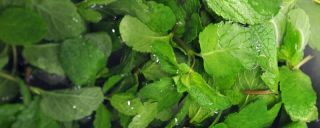
Mint (Mentha spp.) is a resilient and vigorous herb, but to cultivate it successfully indoors, one must replicate its preferred environmental conditions. From a plant's physiological perspective, temperature and humidity are fundamental factors that govern processes like transpiration, photosynthesis, and respiration, directly impacting health, aroma, and growth rate.
For a mint plant, temperature is the engine of its metabolic activity. The ideal daytime temperature range is between 65°F and 70°F (18°C to 21°C). Within this range, the enzymes responsible for photosynthesis operate at peak efficiency, converting light into energy for robust growth. At night, a slight drop to 55°F to 65°F (13°C to 18°C) is beneficial. This mimics natural conditions and allows the plant to respire at a slower rate, conserving energy and sugars that contribute to stronger flavor development in the leaves. Temperatures consistently above 80°F (27°C) can stress the plant, accelerating transpiration and potentially leading to wilting, leggy growth as it searches for cooler air, and a reduction in the potent essential oils that give mint its signature aroma. Conversely, exposure to temperatures below 50°F (10°C) will significantly slow growth and can cause chilling injury.
Humidity, or the amount of water vapor in the air, is crucial for regulating the mint plant's water balance. Mint plants thrive in moderate to high humidity levels, ideally between 50% and 70%. This is because of transpiration, the process where water evaporates from the leaves through tiny pores called stomata. When indoor air is too dry (common in heated homes), the rate of transpiration skyrockets. The plant loses water faster than its roots can absorb it, leading to crispy, brown leaf edges and overall stress. A humid environment reduces the gradient between the leaf interior and the air, slowing transpiration to a manageable rate and allowing the plant to remain turgid and hydrated. This is essential for maintaining the lush, full appearance of the foliage and supporting continuous new growth.
These two factors do not act in isolation; they are intrinsically linked. Warm air has a greater capacity to hold water vapor than cold air. Therefore, a room at 70°F with 60% humidity presents a very different environment to a mint plant than a room at 85°F with the same 60% humidity. The warmer room will have a higher "vapor pressure deficit," effectively pulling more moisture from the leaves. This means that if temperatures accidentally creep above the ideal range, the negative effects can be partially mitigated by increasing the humidity level around the plant. Conversely, in cooler temperatures, the plant is less susceptible to dry air. The key for the mint plant is a stable combination of comfortable warmth and moist air, which prevents the stomata from closing to conserve water—a reaction that would also shut down the intake of CO2 needed for photosynthesis.
When temperature and humidity are not in harmony, the mint plant clearly communicates its distress. Low humidity combined with high temperatures will result in wilting, dry and brittle leaves, and stunted growth. The plant becomes susceptible to pests like spider mites, which thrive in dry conditions. High humidity with cool temperatures and poor air circulation creates a different problem: a haven for fungal pathogens like powdery mildew, which appears as a white, powdery coating on leaves, and root rot. Therefore, maintaining the correct balance is not just about promoting growth but also about providing the plant with the conditions it needs to mount a strong defense against disease.