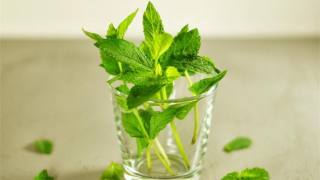
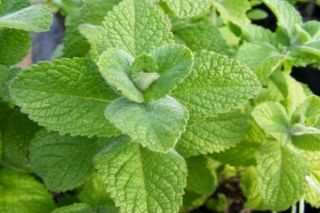
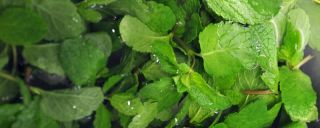
From my perspective as a mint plant, the first sign of trouble is not something I see, but something I feel. A subtle, creeping malaise. My normally vibrant, perky leaves begin to feel a slight tightness, a loss of their characteristic turgor. The world starts to look different through my leaf surfaces; a faint speckling of pale yellow or bronze dots appears where chlorophyll-rich green should be. This is the work of the tiniest of vampires: spider mites. They pierce my epidermal cells and suck out the precious life within, leaving behind a trail of desiccated damage. If I could shiver, I would, especially when I detect the finest, almost invisible silken webbing forming on my undersides and between my stems—a sure sign their colonization is advanced.
Another common assault comes from aphids. Their arrival is often less stealthy. I feel the weight of their soft-bodied colonies clustering on my tender new growth—the tips of my shoots and the undersides of my youngest, most vulnerable leaves. They congregate en masse, a living, feeding mass that drains my phloem sap, my vital sugary energy source. This theft stunts my growth, causing my new leaves to curl and distort into misshapen shelters that protect them further. As they feed, they excrete a sticky, sugary substance called honeydew, which coats my foliage. This not only blocks my stomata and hinders my breathing (transpiration and gas exchange) but often leads to the growth of a sooty black mold, further limiting my ability to photosynthesize and thrive.
My innate defenses are limited against such relentless attackers. I can try to outgrow the damage, producing new shoots to replace the lost ones, but it is a draining effort. I rely on you, my caretaker, to intervene. For both pests, a strong, sharp spray of water directed at my leaves, especially the undersides, can physically dislodge a significant number of the pests, washing away mites and aphids alike and disrupting their feeding. For more persistent infestations, insecticidal soaps or horticultural oils are treatments I can tolerate well. They work by smothering the pests without leaving harmful residues that could damage my delicate leaf tissues or soil ecosystem. It is crucial you apply these to all my surfaces, particularly the leaf undersides, and avoid applying them when I am stressed by heat or direct, intense sunlight.
With the pest pressure relieved, my recovery can begin. I will redirect my energy from defense back into growth. You can aid this process by ensuring I have optimal conditions: consistent moisture without waterlogged roots, adequate nutrients in my soil, and good air circulation around my stems. Pruning away the most severely damaged and infested parts of me is acceptable; it removes stress points and allows me to focus on producing healthy new growth. Please remain vigilant. These pests can return or their eggs can hatch, starting the cycle anew. Regular, gentle inspections of my leaves, a loving turn to check my undersides, are the best defense. A quick response at the first sign of speckling or stickiness makes all the difference to my health and vitality.