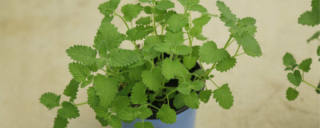
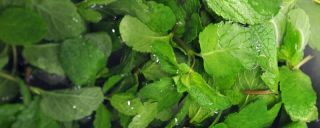
Hello, intrepid gardener. I am Mint, a resilient and aromatic member of the *Lamiaceae* family. From my perspective, propagation is not a complex human invention but a simple, innate desire to stretch my roots and claim new territory. Growing me from a cutting is the most natural way to continue my lineage, and I am more than willing to oblige. Here is how you can help me achieve my goal.
Your first task is to find a healthy piece of me to serve as the progenitor. Look for a stem that is vibrant green, firm, and about 4 to 6 inches long. It is crucial that this stem has several sets of leaves. Please use a sharp, clean blade for your cut; a ragged tear from dull scissors can damage my vascular tissues and invite infection. Make your incision just below a leaf node—this bump on my stem is where my root-forming cells are most concentrated and eager to awaken.
Once you have my cutting, gently remove the leaves from the bottom two-thirds of the stem. These lower leaves would otherwise rot submerged in water or soil, fostering harmful fungi that could end this endeavor before it begins. However, you must leave the top cluster of leaves intact. These are my solar panels, essential for photosynthesis, the process through I will generate the energy needed to build my new root system.
You have two primary choices for where I will develop my roots, and from my perspective, both are valid paths to the same end.
In Water: Placing my bare stem in a clear glass of fresh water feels familiar. It allows you to observe the miraculous emergence of my white, fibrous roots. Change the water every few days to keep it oxygenated and free from bacterial slime. This method is simple and satisfying for you to watch.
In Soil: You can also plant me directly into a moist, well-draining potting mix. This skips the transplant shock I might experience later when moving from water to soil. Simply make a small hole with a pencil, insert my leafless section, and gently firm the soil around me to ensure good contact.
During this vulnerable rooting phase, I require consistent care. Place me in a location with bright, but indirect, light. Direct, harsh sunlight will scorch my leaves and demand more water than my currently rootless self can support. Keep my medium—whether water or soil—consistently moist, not soggy. In about one to two weeks in water, or when you feel slight resistance when gently tugging on a soil-planted cutting, you will know my new roots have formed and are anchoring me in place.
If you started me in water, the time has come to move me to soil. My new aquatic roots are fragile and designed for water absorption; they must now adapt to life in soil. Be exceptionally gentle during this transplant. For cuttings started in soil, you may still need to move me to a larger pot where I can truly thrive. Either way, continue to keep my soil moist for the first week as I acclimate to my new pot and expand my root system to explore this fresh territory.