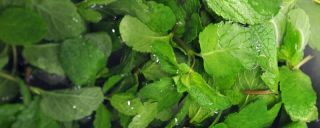
Understanding the watering needs of your indoor potted mint plant requires listening to the plant itself and its environment, rather than following a rigid calendar schedule. As a living organism, its water consumption is influenced by several factors. Here is a detailed guide from the plant's perspective.
My roots need consistent moisture but absolutely detest sitting in waterlogged soil. The perfect state for me is soil that feels like a well-wrung-out sponge—damp to the touch but not dripping. The frequency of watering to achieve this state is not fixed. You must check my soil regularly by inserting your finger about an inch deep. If the soil at that depth feels dry, it is time for a drink. If it still feels cool and moist, I am perfectly content for now.
Several elements in my environment directly affect how quickly I use water. During the spring and summer, I am in my active growth phase, fueled by longer and brighter days. This means I will drink much more frequently. In the fall and winter, with less light and cooler temperatures, my growth slows significantly, and my water needs diminish. Overwatering during this dormant period is a primary threat to my root health. Furthermore, the size of my pot, the material it is made from (terracotta dries out faster than plastic or glazed ceramic), and the amount of air circulation and sunlight I receive all play a crucial role in the soil's evaporation rate.
When my soil indicates it is time, please water me thoroughly and deeply. This means slowly pouring water onto the soil until you see it begin to drain freely from the holes at the bottom of my pot. This process ensures that water reaches all of my roots, encouraging them to grow deep and strong. A light sprinkle only moistens the top layer and can cause my roots to stay shallow, making me less resilient. Always ensure any excess water is discarded from the saucer or outer pot after 15-20 minutes. I cannot stress enough that my roots require oxygen as much as they require water, and constant sogginess will suffocate them, leading to root rot.
I will communicate my discomfort. If I am thirsty, my leaves will become limp, wilt, and may even feel crisp and dry at the edges. This is my urgent plea for water. Fortunately, I am quite resilient and will often perk up quickly after a good drink. The more dangerous signal is overwatering. If my leaves are turning yellow and falling off, and the stems feel soft or look blackened at the base, my roots are likely drowning and decaying. This is a serious condition that is much harder to recover from.