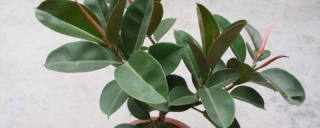
You must learn to listen to my silent language. The most urgent signal I will send is when my roots have exhausted the space within my current pot. You might notice my growth has slowed significantly, even during the spring and summer when I should be stretching towards the light. More directly, you may see roots beginning to circle the surface of the soil or, most alarmingly, emerging from the drainage holes at the bottom of my container. This is a clear cry for help; I am root-bound. When my roots are this congested, they cannot effectively absorb water or nutrients, and I will begin to suffer.
Timing is everything for my well-being. The ideal period for repotting is in the late spring or early summer. This is not a random choice; it is aligned with my innate growth cycle. During this time, the days are longer and sunlight is more abundant, providing me with the maximum energy needed to recover from the stress of being moved. I am entering my peak growing season, which means I can quickly produce new roots to colonize the fresh soil and repair any minor damage incurred during the process. Repotting me in the dormant winter months would be a severe shock to my system, as I lack the energy to recover, potentially leading to root rot and stunted growth.
When the day comes, please handle me with care. Begin by watering me thoroughly a day in advance; this hydrates my roots and makes the root ball easier to remove. Gently tilt my current pot and support my base as you slide me out. Do not pull me by my stems! Once I am free, inspect my roots. If they are tightly wound, use your fingers to gently tease apart the outer roots, encouraging them to grow outward into their new space. This is a delicate operation—be kind to my root system.
My new pot should only be one size larger, approximately 2-3 inches wider in diameter. A pot that is too large will hold excess soil that stays wet for too long, creating a dangerous environment where my roots could rot from a lack of oxygen. The most critical feature is drainage holes; I must have them. For my soil, I require a well-aerated, peat-based potting mix that provides both moisture retention and excellent drainage. You can create a perfect blend for me by mixing standard indoor potting soil with a handful of perlite and orchid bark. This mimics the loose, airy structure my roots crave.
Place a layer of fresh potting mix in the bottom of the new pot. Position me in the center so that the top of my root ball sits about an inch below the rim. Fill in around the sides with more soil, gently tamping it down to remove large air pockets but avoiding compaction. Water me deeply until water flows freely from the drainage holes. This step, called "watering in," helps the new soil settle around my roots and re-establishes crucial capillary action. Finally, return me to a spot with bright, indirect light and allow me a few weeks to acclimate to my new, more spacious home.