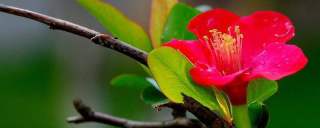
Our first indication of their presence is often a subtle change in our appearance, one that our caretakers might initially mistake for drought stress or a nutrient deficiency. The upper surfaces of our leaves begin to display a peculiar stippling pattern—a myriad of tiny, light yellow or white dots. This is not a disease but the tell-tale sign of a feeding assault from beneath. Upon closer inspection, one might find the culprits themselves: small, winged insects with elaborately patterned, lace-like wings, alongside clusters of their dark, spiny nymphs and shiny black droplets of excrement spotting the undersides of our leaves.
The lace bug's method of attack is a direct assault on our very lifeblood. They do not chew our leaves; instead, they pierce the epidermis on the underside of our foliage with their needle-like mouthparts. They proceed to suck out the chlorophyll-rich contents of our individual leaf cells. This process, repeated hundreds or thousands of times, destroys the cells necessary for photosynthesis. The result is the characteristic stippling on the upper leaf surface—the visual evidence of empty and dead cells. As the infestation grows, the stippling coalesces into larger yellow patches, causing our leaves to look bleached and silvery.
This sustained feeding inflicts significant physiological stress. With our photosynthetic capacity severely reduced, we struggle to produce the carbohydrates needed for growth, flowering, and root development. Our energy reserves are depleted. The damage is not merely cosmetic; it is a direct threat to our vitality. Severely injured leaves turn completely yellow or brown, curl at the edges, and prematurely drop from our stems. This defoliation further reduces our ability to feed ourselves and exposes our tender bark to sunscald. A severe, recurring infestation leaves us weak, stunted, and incredibly vulnerable to secondary threats like scale insects, borers, or fungal diseases, which can ultimately prove fatal.
We thrive in conditions that naturally suppress lace bug populations. Lace bugs are sun-loving and heat-tolerant pests. When we are planted in full, baking sun, our stress levels increase while lace bug reproduction rates soar. Providing us with partial shade, especially in the hot afternoon, or ensuring we are properly mulched and irrigated to avoid water stress, makes us less susceptible. A cool, moist root zone and shelter from intense heat help us maintain our natural vigor, allowing us to better tolerate minor feeding damage. Furthermore, a diverse garden ecosystem that welcomes predatory insects like lady beetles, lacewings, and spiders provides a line of biological defense for us, as these beneficial creatures prey on lace bug eggs and nymphs.
The damage lace bugs inflict is permanent on existing leaves; the stippled and bleached foliage will not regain its green color. Our recovery, therefore, is measured in new growth. Once the infestation is managed, our energy can be redirected from defense to producing a new flush of healthy leaves. This process can be supported through gentle, balanced fertilization and consistent moisture to aid our rebound. However, this new growth can also be a target for the next generation of lace bugs, making ongoing vigilance and a focus on plant health the true cornerstones of our long-term well-being.