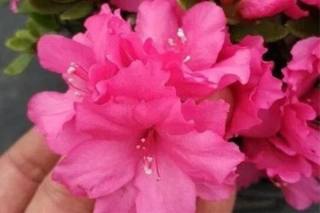
Azaleas, members of the Rhododendron genus, are beloved for their spectacular spring blooms and lush foliage. To thrive, they require specific cultural conditions: acidic, well-drained yet moist soil, partial shade, and protection from harsh winds. The ideal companion plants are those that share these requirements and offer complementary benefits without competing aggressively for resources.
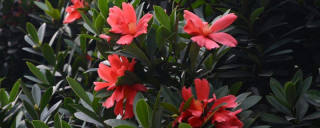
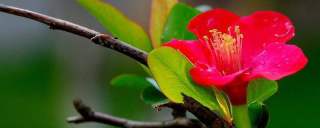
Layering plants with similar needs creates a stable microclimate and year-round structure. Camellias are excellent companions, sharing the azalea's need for acidic soil and dappled light, while providing glossy evergreen foliage and blooms that often follow the azalea's show. For higher canopy layers, consider Japanese Maples (Acer palmatum). Their delicate, lacy foliage offers the perfect high-filtered shade, protects azaleas from intense sun, and adds incredible fall color. Holly shrubs (Ilex spp.) also thrive in acidic conditions and provide a strong evergreen backdrop and winter berries, enhancing the garden's structure after the azaleas have finished flowering.
Perennials and groundcovers fill the middle and lower layers, suppressing weeds and maintaining consistent soil moisture. Hostas are a classic choice for shaded azalea beds, with their broad, textured leaves providing a beautiful contrast to the azalea's finer foliage. For a textural counterpoint and early spring interest, plant ferns like the Japanese Painted Fern (Athyrium niponicum) or Autumn Fern (Dryopteris erythrosora). To create a living mulch that thrives in acid soil, utilize groundcovers such as Creeping Lilyturf (Liriope spicata) for grassy texture or Pachysandra for a dense, green carpet. These plants help keep the azalea's shallow roots cool and moist.
Strategically planting bulbs and ephemerals extends the seasonal interest in the azalea bed. These plants bloom early, capitalizing on the sunlight that reaches the forest floor before the azalea and tree canopies fully leaf out. They complement the azalea bloom time or precede it. Daffodils (Narcissus) are ideal as they are tolerant of acidic soil and their yellow, white, and orange tones beautifully accent pink, red, and white azalea flowers. Snowdrops (Galanthus) and Crocus provide very early color, while Virginia Bluebells (Mertensia virginica) offer stunning blue hues that pair exquisitely with any azalea color. These plants naturally die back as the azaleas demand more resources.
It is crucial to avoid plants with conflicting needs. Do not plant trees or shrubs with aggressive, shallow root systems like Willows (Salix) or Maples (Acer species other than Japanese), which will compete fiercely for water and nutrients. Perhaps the most important rule is to avoid plants that require alkaline (sweet) soil. Lavender, Boxwood, and Clematis will struggle and likely develop chlorosis (yellowing leaves) in the acidic conditions azaleas demand. Their presence can also make soil pH management difficult for the gardener.