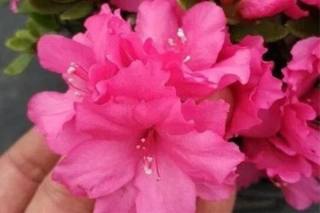
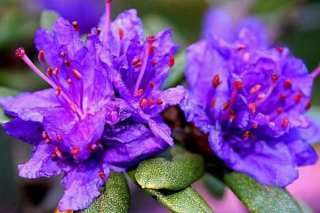
Greetings from the botanical world! We, the azaleas, are a diverse and vibrant group, eager to grace your southern gardens. To help you help us thrive, here is a guide from our perspective.
Not all azaleas are the same. For the intense heat and humidity of the South, you must choose our heat-tolerant cultivars. We, the Southern Indica hybrids (like the vibrant 'George Lindley Taber' or 'Formosa'), are exceptionally well-suited. We can handle the summer sun. Other excellent choices include the repeat-blooming Encore® Azalea series and the native deciduous varieties, which are naturally adapted to the regional conditions. Selecting the right type is the first step to a long and prosperous relationship.
While we love brightness, the harsh southern afternoon sun can scorch our leaves and stress us deeply. We prefer a location with morning sun and afternoon shade, or what you might call "dappled light" beneath tall pine trees. This mimics our natural woodland habitat. Furthermore, we demand excellent drainage. Our fine, fibrous root systems are highly susceptible to root rot (Phytophthora). Soggy, waterlogged soil is a death sentence. Please plant us in a raised bed or amend heavy clay soil generously with organic matter like pine bark or compost to ensure our roots can breathe.
We are acid-loving plants (ericaceous), requiring a soil pH between 4.5 and 6.0. This acidic environment is crucial for us to properly absorb nutrients, especially iron. Before planting, test your soil. To achieve the ideal conditions, incorporate a generous amount of peat moss, composted pine bark, or well-rotted oak leaf compost into the planting hole. This not acidifies the soil but also improves its texture and moisture retention. A layer of pine straw or pine bark mulch around our base will help maintain soil acidity, conserve moisture, and keep our roots cool.
Our roots are shallow and dry out quickly, especially during the establishment phase and in the summer heat. Water us deeply and regularly, keeping the soil consistently moist but never saturated. A soaker hose is ideal for delivering water directly to our roots without wetting our foliage, which can encourage fungal diseases. For nutrition, feed us in early spring with a fertilizer formulated specifically for acid-loving plants. These blends contain the essential nutrients we crave, like ammonium-N and chelated iron. Avoid high-nitrogen, quick-release fertilizers, as they can burn our roots and promote excessive leaf growth at the expense of our beautiful blooms.
We set our flower buds for the next year shortly after our current spring bloom concludes. This is a critical piece of our lifecycle. To avoid cutting off next year's flowers, any significant pruning or deadheading should be done immediately after our blossoms fade. Simply snap off the spent flower heads carefully by hand. Pruning us in late summer, fall, or winter will remove these developing buds. Allow us to naturally go through our cycle, and we will reward you with a spectacular display season after season.