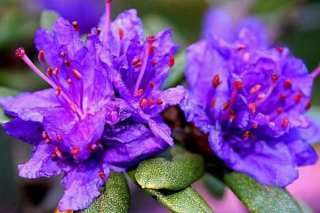
The most celebrated difference lies in their blooming habits. Traditional azaleas, which include both deciduous varieties (like the Exbury hybrids) and evergreen types (like the Southern Indica hybrids), are primarily spring-bloomers. They produce a spectacular, yet often brief, display of flowers for a few weeks in the spring. After this flush, they set buds for the following year and do not typically bloom again.
Encore Azaleas, a specific brand of hybrid evergreen azaleas, are bred for their unique multi-season flowering capability. They bloom profusely in the spring, but unlike traditional types, they continue to produce new flushes of blooms sporadically throughout the summer and then put on another significant show in the fall. This extended performance is due to their unique genetics, as they are a cross between traditional spring-blooming azaleas and a rare Taiwanese summer-blooming azalea (Rhododendron oldhamii).
Traditional azaleas are notoriously shade-loving plants. They thrive in dappled sunlight or partial shade, and in many climates, exposure to intense afternoon sun can lead to leaf scorch, stress, and reduced flowering. They require specific conditions to mimic their natural understory habitat.
Encore Azaleas exhibit a significantly higher tolerance for sun. While they still appreciate some afternoon shade in the hottest zones, they can prosper and bloom reliably with four to six hours of direct morning sun. This increased sun tolerance allows gardeners more flexibility in planting locations and often results in a denser growth habit and more abundant flowering.
Traditional azaleas can vary widely in their growth habits, from low-growing ground covers to large, sprawling shrubs. Many older varieties can become leggy over time, requiring periodic pruning to maintain a compact form. Their structure is often more open and airy.
Encore Azaleas are bred to be more compact and dense with a uniform, well-branched growth habit. They typically require less pruning to maintain their shape. The series offers a range of sizes, from smaller varieties that stay around 2.5 feet tall and wide to larger ones that can reach 4-5 feet, but they are generally selected for their predictability and manageable size in the landscape.
It is important to distinguish between deciduous and evergreen traditional azaleas. Deciduous types lose all their leaves in the fall, while evergreen varieties hold their leaves year-round. The leaves of many traditional evergreen azaleas can sometimes take on a purplish or reddish hue in winter due to cold weather and increased anthocyanin production.
All Encore Azaleas are evergreen, retaining their leaves throughout the year. Their foliage is generally a deep, glossy green, which provides a strong landscape presence even when the plants are not in bloom. The leaves tend to maintain their color better in winter cold compared to some traditional evergreen varieties, showing less of the characteristic winter discoloration.
Traditional azaleas encompass a vast group of species and hybrids with diverse genetic backgrounds. This includes native North American species, Asian species, and complex hybrids developed over centuries. Their genetic diversity is immense.
Encore Azaleas are a modern, patented series of hybrids developed by plant breeder Robert E. "Buddy" Lee. Their genetic foundation is specifically engineered from a cross between traditional azaleas and the summer-blooming Rhododendron oldhamii. This intentional hybridization is what directly confers their trademark reblooming characteristic and improved sun tolerance, making them a distinct category within the broader azalea group.