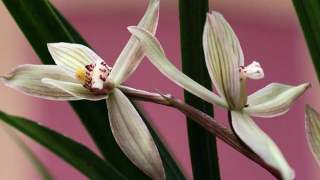
From a botanical perspective, the light requirements of orchids are a fascinating adaptation to their natural habitats. Most commonly kept orchids are epiphytes, meaning they grow attached to trees in dappled light conditions. Therefore, the answer to whether they need direct or indirect light is nuanced and depends on the specific type of orchid.
For the vast majority of popular orchid genera, such as Phalaenopsis (Moth Orchid), Paphiopedilum (Slipper Orchid), and Miltoniopsis, bright indirect light is ideal. Their native environment is under the canopy of tropical forests, where sunlight is filtered through layers of leaves. Direct, harsh sunlight—particularly the intense midday sun—will scorch their leaves, causing bleached, white, or blackened patches that are permanent and inhibit photosynthesis. Indirect light provides the energy necessary for photosynthesis without the damaging thermal and photonic stress, allowing the plant to efficiently produce sugars for growth and flowering.
Some orchid genera have evolved to tolerate and even thrive in higher light levels. Cattleya, Vanda, and Dendrobium orchids often grow on the outer branches of trees or on rocks in their natural habitats, receiving several hours of direct sun. For these types, direct morning sunlight is highly beneficial. The morning sun is less intense, providing the high-energy light required to trigger robust blooming without the extreme heat of the afternoon. Providing this direct light is often the key to encouraging these orchids to produce their spectacular flowers.
An orchid’s foliage is an excellent indicator of whether its light conditions are correct. The plant uses pigments like chlorophyll and anthocyanin to manage light absorption. A healthy orchid receiving ideal indirect light will have light to medium green leaves. Leaves that become very dark green indicate the plant is not receiving enough light and is producing excess chlorophyll to compensate; this often results in a lack of flowering. Conversely, leaves that turn a yellowish or reddish-green, or develop brown scorch marks, are signaling severe light stress from too much direct sunlight, which is damaging photosynthetic tissues.
The angle and intensity of sunlight change with the seasons. A windowsill that provides perfect indirect light in the summer may become suitable for direct morning sun in the winter when the sun is weaker and lower in the sky. An east-facing window is typically ideal for most orchids, offering bright indirect light for much of the day with a few hours of gentle direct sun in the morning. A south-facing window will usually provide too much harsh direct light unless it is filtered by a sheer curtain. A west-facing window can be acceptable but may be too hot in the afternoon, while a north-facing window often provides insufficient light for most orchids to bloom reliably.