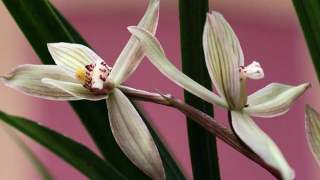
The question of using coffee grounds for orchids is a topic of much debate among gardening enthusiasts. To understand the answer, we must examine the practice from the botanical perspective of the orchid itself, focusing on its specific physiological needs and natural habitat.
From a plant's perspective, coffee grounds offer a few theoretically attractive qualities. They are a source of organic matter, which can contribute to a slow, gradual release of nitrogen as they decompose. Nitrogen is a crucial macronutrient for foliage development. Furthermore, coffee grounds are slightly acidic, with a pH often ranging between 6.5 and 6.8. Many popular orchids, like Phalaenopsis, prefer a growing medium that is slightly acidic, which helps them efficiently uptake key nutrients such as iron and manganese. The grounds may also encourage beneficial microbial activity in the potting mix.
This is where the perspective of the orchid's root system becomes critically important. Orchid roots, particularly those of epiphytic types, are highly specialized organs designed for atmospheric gas exchange. They require a potting medium that provides exceptional aeration and perfect drainage. When fresh, wet coffee grounds are applied, they have a tendency to compact and form a dense, matted layer. This layer creates a physical barrier, suffocating the roots by blocking oxygen, which is a death sentence for an orchid. Simultaneously, this compacted layer retains far too much moisture against the crown and roots, dramatically increasing the risk of fatal root rot caused by fungi like Pythium and Phytophthora.
Beyond physical structure, the chemical composition of coffee grounds can be problematic. While they contain nitrogen, they are not a balanced fertilizer. The decomposition process performed by soil microbes can temporarily tie up nitrogen, making it unavailable to the plant. The caffeine and other compounds present in used grounds, while significantly reduced, may still have allelopathic effects, potentially inhibiting the growth of beneficial mycorrhizal fungi that orchids rely on. Furthermore, the organic matter, when kept too moist on the surface, becomes a prime breeding ground for unwanted fungal molds and can attract pests like fungus gnats.
If one wishes to utilize the nutrient content of coffee grounds, the safest method from the orchid's point of view is indirect application through composting. Adding coffee grounds to a compost bin allows them to break down fully alongside other organic materials. In a finished, well-balanced compost, the potentially harmful physical and chemical properties are neutralized. A small amount of this finished compost can then be incorporated into a terrestrial orchid's mix or used to create a very weak, water-soluble "compost tea" for occasional feeding, providing a more balanced and bioavailable nutrient source without the associated risks of raw grounds.