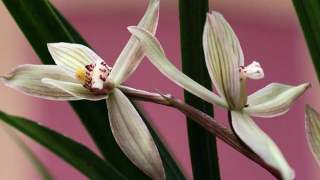
Orchids are not a single plant but a vast and diverse family, with over 25,000 species and countless hybrids, each hailing from unique ecosystems. Therefore, the concept of an "ideal" temperature and humidity is not a single setting but a range that mimics their natural, often tropical, habitats. From the plant's perspective, these two factors are intrinsically linked to its core physiological processes: photosynthesis, respiration, and transpiration. Getting them right is the key to unlocking healthy growth and spectacular blooms.
For most popular orchids like Phalaenopsis, Cattleya, and Dendrobium, a fundamental distinction exists between day and night temperatures. During the day, an ideal range is between 70°F and 85°F (21°C and 29°C). This warmth provides the kinetic energy necessary to power photosynthesis efficiently, converting light into chemical energy (sugars). At night, a drop of 10-15 degrees Fahrenheit (5-8 degrees Celsius) is crucial. This cooler period, often between 60°F and 65°F (15°C and 18°C), signals to the plant that it is night and slows down respiration (the burning of sugars for energy). This differential prevents the orchid from depleting its energy reserves and is a primary trigger for flower spike initiation in many species. Without this drop, the plant may grow foliage but rarely bloom.
Orchids are primarily epiphytes, meaning they grow on other plants in the wild, absorbing water and nutrients from the humid air and rainfall through their exposed velamen-covered roots. The ideal relative humidity for most orchids is between 50% and 70%. From the plant's perspective, humidity is directly tied to transpiration—the process of water movement through the plant and evaporation from its leaves. In adequate humidity, the stomata (pores on the leaves) can open to take in carbon dioxide for photosynthesis without risking excessive water loss. If humidity is too low, the plant will close its stomata to conserve water, which subsequently halts photosynthesis and stresses the plant, leading to wrinkled leaves and stunted growth.
These two factors cannot be considered in isolation. Warm air has a greater capacity to hold water vapor than cool air. Therefore, as the temperature in your growing space increases, the relative humidity decreases unless more moisture is added. This is why a warm, dry room is so detrimental to an orchid. The high temperature accelerates metabolic processes, demanding more water, while the low humidity drastically increases the rate of transpiration, leading to rapid dehydration. Conversely, high humidity with cool temperatures and poor air circulation can create a breeding ground for fungal and bacterial diseases, as the plant’s tissues remain wet for too long.
While the above ranges serve as a general guide, it is vital to research your specific orchid type. Cool-growing orchids like Masdevallia prefer temperatures below 80°F (27°C) and very high humidity, often above 70%. Warm-growing Vandas thrive in consistent heat and high humidity with exceptional air movement. Observing your plant is key. Plump, green roots and firm, upright leaves indicate the conditions are right. Wrinkled leaves suggest low humidity or insufficient watering, while yellowing leaves can indicate cold stress or disease fostered by stagnant, humid conditions.