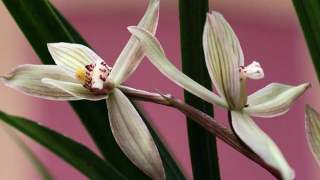
To understand misting from the plant's perspective, one must first consider the natural habitat of most common orchids, like Phalaenopsis. They are epiphytes, meaning they grow on trees in tropical and subtropical regions. Their roots are aerial, designed to absorb moisture and nutrients from humid air and rainfall, which is frequent but brief. They are not adapted to having their roots constantly saturated in soil. Therefore, the plant's root system and leaves are evolutionarily primed for a cycle of rapid water absorption followed by a period of drying and gas exchange.
From the orchid's viewpoint, a fine, gentle mist can replicate the morning dew or a light rain shower from its native environment. This can provide a temporary boost in local humidity around its leaves and aerial roots, which is particularly beneficial when the surrounding air is very dry due to indoor heating or air conditioning. For the roots that have ventured out of the pot, misting offers a direct source of moisture they are adept at absorbing. It can also help hydrate new root tips, encouraging their growth before they reach the potting medium. Furthermore, a light misting on the underside of leaves (where stomata are located) can facilitate a brief period of increased hydration and transpiration efficiency without waterlogging the plant.
However, the orchid's physical structure makes misting a potentially dangerous practice. The most critical risk is water accumulating in the crown (the central point where leaves join) or in the leaf axils. Orchids are not designed to hold standing water in these crevices. This creates a perpetually wet environment that is ideal for bacterial and fungal pathogens, leading to crown rot or stem rot—a often fatal condition for the plant. Furthermore, water droplets left on the leaves can act as magnifying glasses under strong light, potentially causing sunburn and leaf scorch. If water is misted onto open flowers, it can lead to unsightly blotches and accelerate petal decay. Perhaps most counterintuitively, frequent misting can desiccate roots by encouraging them to grow toward the surface moisture, making them less likely to dig deep into the potting medium for a more consistent water source.
For the orchid, the method of misting is everything. It is not about a daily drenching. The plant would vastly prefer a environment where humidity is consistently raised through other means, such as a humidity tray or a room humidifier. If misting is employed, the plant benefits most from an early morning application using tepid, pure water. This timing allows any accidental water on the crown or leaves to evaporate fully with the day's light and air movement. The plant requires excellent air circulation around all its parts to mimic the breezes of its natural habitat; this is non-negotiable for preventing disease. The plant's needs also change with the seasons, requiring less frequent misting during cool, overcast periods when evaporation is slow.