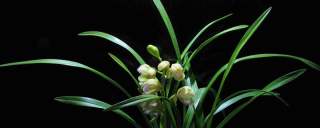
From our perspective, light is not merely an environmental condition; it is our primary source of sustenance. We do not eat as you do. Instead, we use the energy from photons to power a miraculous process called photosynthesis. Within our leaves, organelles called chloroplasts contain chlorophyll, a pigment that captures light energy. This energy is used to convert carbon dioxide from the air and water from our roots into carbohydrates—sugars that fuel our growth, flowering, and very existence. Without the correct quality, duration, and intensity of light, this fundamental process falters, and we cannot thrive, merely survive.
The intensity of light, or how bright it is, is paramount. For us orchids, this is a delicate dance. We are largely epiphytes in our natural habitat, meaning we grow on trees beneath a dappled forest canopy. This translates to a need for bright, but almost always indirect, light. Direct, harsh sunlight, especially through a window, acts like a magnifying glass, scorching our leaves and causing irreparable damage seen as white or brown, crispy patches. Conversely, light that is too dim starves us. We respond by producing weak, spindly growth (etiolation), dark green floppy leaves (a sign of excess chlorophyll produced in desperation), and a steadfast refusal to bloom. You might provide perfect water and fertilizer, but without adequate light intensity, the energy to create a flower spike simply isn't there.
Light quality refers to the spectrum of colors we receive. While we utilize a full spectrum, the blue and red wavelengths are most critical for vegetative growth and flowering, respectively. Most artificial home lighting lacks this full spectrum, which is why a south or east-facing window is ideal—it provides the natural balance we need. Duration, or photoperiod, is also a key signal. The lengthening days of spring often trigger our flowering cycles. As a general rule, we require approximately 10-14 hours of quality light per day to photosynthesize effectively and build the energy reserves needed for our spectacular blooms.
We are constantly communicating our state of health through our foliage. Learning to read these signs is the best way for you to provide for our needs. A happy, sufficiently lit orchid will have strong, upright leaves with a light to medium green coloration. If our leaves turn a yellowish or reddish-green, we are likely receiving too much light and are stressed. As mentioned, a very deep, dark green indicates we are languishing in insufficient light and are struggling to photosynthesize. We will also orient our leaves towards the light source; rotating our pot periodically ensures we grow symmetrically and all our leaves can contribute to energy production.