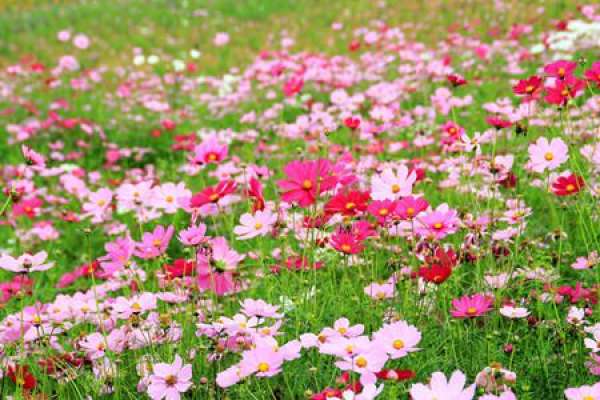
The flower language of gesanghua is "pity the people in front of you".
It grows at an altitude of more than 5000 meters. It belongs to Gesang flower of Delphinidae, which is azalea, also known as Sao Luo.
Its hometown is the boundless prairie of Tibet, Qinghai, Western Sichuan and Northwest Yunnan. It is regarded as the holy flower symbolizing love and auspiciousness by Tibetan villagers and the city flower of Lhasa, the capital of Tibet.
It loves the sunshine of the plateau and can stand the cold of the snow. It is beautiful but not delicate, soft but straight. Gesang means happiness in Tibetan, so it is also called happy flower. With the change of seasons, the color of Gesang flower will change. It likes the sunshine on the plateau and can stand the cold in the snow. It is beautiful but not delicate, soft but straight.
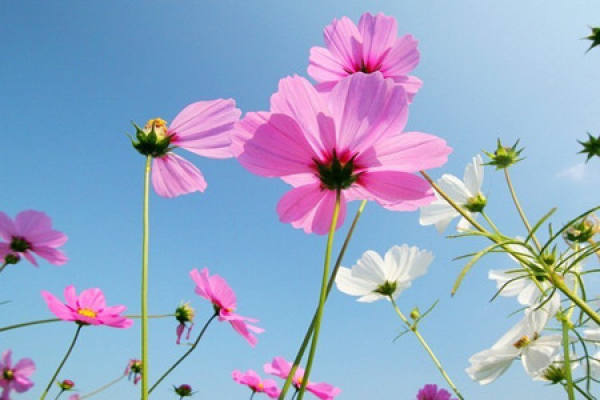
In Tibetan, "Gesang" means happiness, "Meiduo" means flower, "Gesang Meiduo" means an ordinary flower growing on the plateau. It has small stem and small petals and looks like a weak wind. The more windy it is, the stronger it is; the more rain blows, the more green it is; the more sun blows, the more brilliant it is. It is a Gesang flower that has entrusted Tibetan people's good feelings such as happiness and auspiciousness.
There is a beautiful Tibetan legend: whoever finds eight petals of Gesang flower will find happiness.
"Gesang" is the Tibetan language, which means good time. It means that there is a bright good season on the snow plateau at the turn of spring and summer. The graceful Gesang flowers will come to the grassland as promised, bringing good time and happiness to the young and beautiful girls.