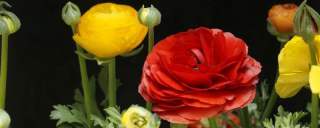
Daylilies (Hemerocallis spp.) are perennial plants known for their vibrant blooms and hardy nature. From a botanical perspective, individual daylily flowers last only one day, but the plant itself can live for many years, often decades, under optimal conditions. The lifespan of a daylily depends on genetics, environmental factors, and care practices.
Daylilies are genetically programmed for longevity. Unlike annuals, which complete their life cycle in one season, perennials like daylilies regrow from their root systems yearly. The crown (base of the plant) and tuberous roots store energy, allowing the plant to survive winters and regrow each spring. Some cultivars are more resilient than others, with modern hybrids often bred for extended lifespans and disease resistance.
Under ideal conditions, daylilies can thrive for 15–25 years or more. However, their vigor may decline after 5–10 years due to overcrowding or nutrient depletion. Clumping growth habits can lead to competition among shoots, reducing bloom quality over time. Dividing the plants every 3–5 years rejuvenates them and extends their lifespan.
Daylilies adapt to a wide range of climates (USDA zones 3–9), but their lifespan is affected by:
Proper care significantly extends a daylily's life:
Even with care, daylilies eventually show age-related decline:
Division or replanting offsets can mitigate these issues.
Some daylily varieties outlive others. Older cultivars like 'Stella de Oro' (20+ years) are renowned for durability, while newer hybrids may prioritize bloom size over lifespan. Researching cultivar traits helps select long-lived plants.