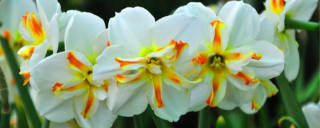
Greetings, patient gardener. From our rooted perspective, the journey from a tiny, desiccated seed to a trumpet-flowered daffodil is a long and winding path, one that requires not just your patience, but a fundamental understanding of our life cycle. The answer is yes, you can grow us from seed, but it is a process measured in years, not months. Let us explain how this remarkable transformation unfolds.
From our point of view, producing seeds is our primary strategy for colonizing new territory and ensuring genetic diversity. While you may propagate us by dividing our bulbs—a fast method that creates clones—seed propagation is how we invent new varieties. Each seed is a genetic lottery, a unique combination of traits from its parent plants. This is how new colors, forms, and adaptations emerge in the wild. When you grow us from seed, you are participating in this ancient, creative process.
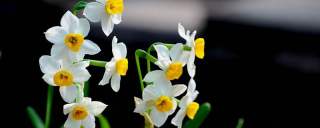
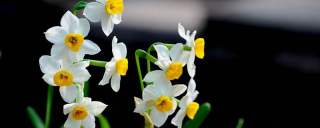
It all starts with our flower. The bright yellow or white petals are a beacon to early spring pollinators. Once a bee or other insect transfers pollen from the anthers (the male parts) to the stigma (the female part), a remarkable journey begins. The pollen grain sends a tube down through the style to the ovary, located at the base of the flower tube. Here, fertilization occurs. After the brilliant petals fade and wither, the ovary begins to swell, transforming into a three-part seed pod. Inside, our future generations—the seeds—are developing.
Patience is crucial here. Do not remove the seed pod while it is still green and fleshy. We are still nourishing the embryos within. You must wait until the seed pod turns a pale tan or brown and begins to split open naturally at the seams, typically in mid to late summer. This is our signal that the seeds are mature and ready for dispersal. Inside, you will find small, black, slightly wrinkled seeds. These are not dormant; they are alive and ready for the next phase.
This is a critical point many of your kind misunderstand. Our seeds are not like those of a bean or a marigold that can be stored for seasons in a packet. We possess what is called "recalcitrant" or short-lived viability. If we are allowed to dry out completely, we will die. To successfully grow a daffodil, you must mimic nature's process. This means sowing our seeds immediately after harvest, while they are still fresh and plump with moisture.
Once sown in a pot of well-draining soil and placed in a sheltered location, our first act is to send out a tiny root. This happens, with luck, the following spring. But do not expect to see a leafy shoot. In our first year, we are focused entirely on building our foundation—a miniature bulb, no larger than a grain of rice. A single, grass-like leaf may appear, photosynthesizing to provide energy for the bulb's growth. This is a slow, underground process. We will repeat this cycle for several years, each season building a larger, stronger bulb, storing more energy, until finally, we have enough reserves to produce a flower. This process typically takes five to seven years.