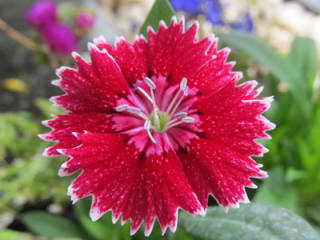
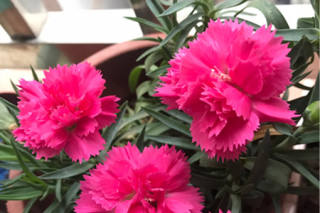
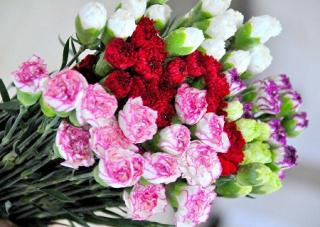
Carnations (Dianthus caryophyllus) are beloved for their fragrant, ruffled blooms, but their ability to withstand winter outdoors is not universal. From a botanical perspective, their survival hinges on a complex interplay between their specific genetic lineage, the plant's physiological preparations, and the environmental conditions of a particular winter. The USDA Hardiness Zone system provides a crucial framework for understanding the latter, but it is not the whole story.
Not all carnations are created equal in the face of cold. The common florist's carnation is often grown as an annual because it lacks significant cold tolerance. However, many other species within the Dianthus genus are remarkably hardy perennials. The key for a plant is its genetic programming for cold acclimation. Hardy varieties, such as Dianthus gratianopolitanus (Cheddar Pinks) or certain modern Dianthus hybrids, possess genes that trigger a physiological shift as autumn temperatures drop and daylight shortens. This process involves the accumulation of sugars and other cryoprotectants in their cells, which act like antifreeze, preventing the formation of destructive ice crystals within plant tissues. The cultivar's stated hardiness zone indicates the lowest winter temperature its cellular chemistry is equipped to handle.
The USDA Plant Hardiness Zone Map is an essential tool for a gardener, as it translates complex climate data into a simple number based on the average annual extreme minimum temperature. For carnations, this zone rating is a survival threshold. A carnation variety rated for Zone 5, which can experience temperatures as low as -20°F to -10°F, has a built-in tolerance that a variety rated only for Zone 8 does not. Planting a Zone 8 carnation in Zone 5 is almost certain to result in winter kill, as the plant's physiological mechanisms are simply not equipped to cope with such intense cold. Therefore, the first step in ensuring survival is always to select a carnation species or cultivar whose hardiness zone rating matches or is colder than your own garden's zone.
From the plant's point of view, winter is a multifaceted assault. While absolute minimum temperature is the primary factor, other conditions are critical for survival. Excess moisture is a major threat. Carnations, evolving from well-drained, rocky Mediterranean slopes, are exceptionally vulnerable to crown rot (the central growing point at the soil surface). If their roots and crown sit in cold, wet soil over winter, they will likely rot and die, regardless of the air temperature. Furthermore, freeze-thaw cycles are physically disruptive. Repeated freezing and thawing of the soil can heave a plant's root system out of the ground, exposing tender roots to drying winds and cold. A protective layer of snow can actually be beneficial, acting as an insulating blanket that stabilizes the soil temperature and protects the crown from extreme temperature swings.
To survive, a hardy perennial carnation enters a state of dormancy. It ceases active growth, conserving energy within its crown and root system. The above-ground foliage may die back or remain as a low, evergreen mat. This mat itself is an adaptation, helping to trap a layer of insulating air and leaf litter over the crown. A gardener can assist these natural processes by ensuring the plant is situated in sharply draining soil, perhaps on a slope or in a raised bed. After the ground has frozen in late autumn, applying a light, dry mulch like straw or pine boughs can help maintain a consistently cold soil temperature, preventing heaving and protecting the crown. It is vital to avoid heavy, wet mulches like whole leaves, which can smother the plant and promote rot.